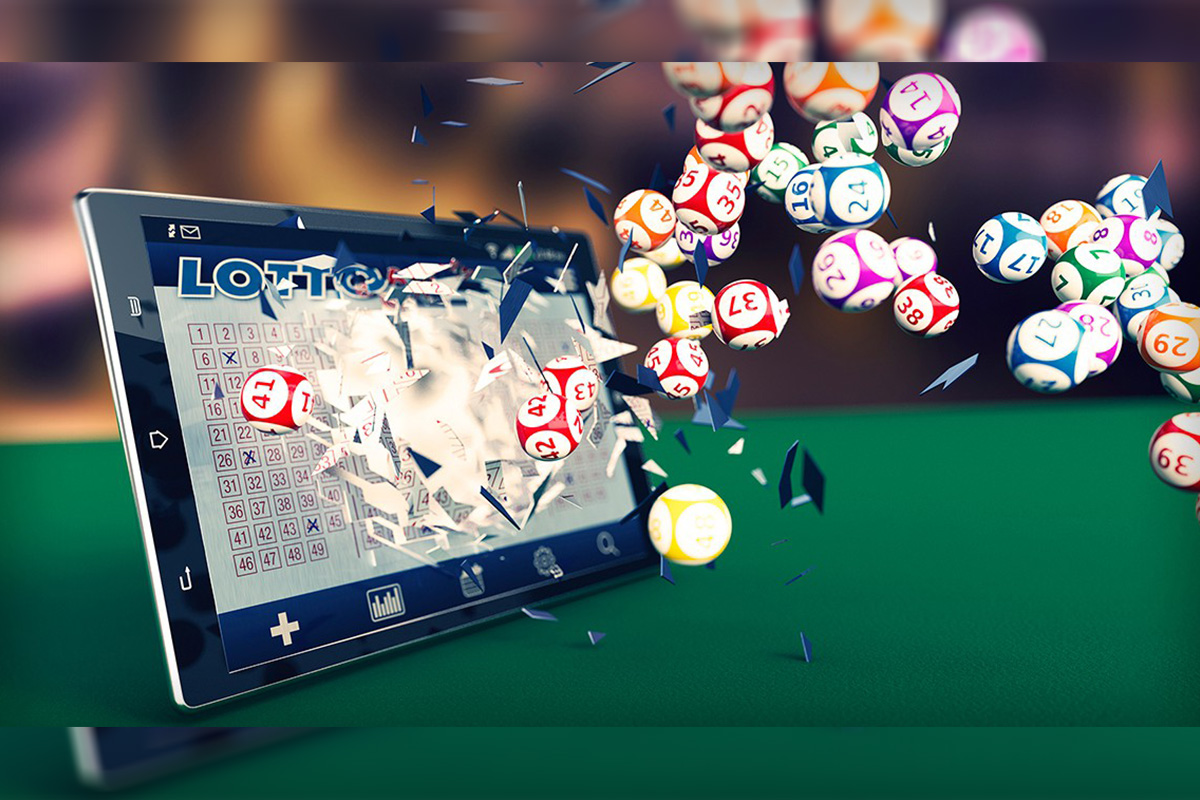
When you’re on the move, you don’t want to waste time filling out endless forms or waiting for slow loading screens. SurfPlay is built for players who crave instant thrills and rapid payouts. The platform’s design keeps navigation lean and the core gameplay front and center, which means you can jump straight into a slot spin, a blackjack hand, or a live roulette spin without a moment’s hesitation.
With over 3,000 titles from studios like Play’n’Go, Quickspin, and Yggdrasil, there’s always a fresh game ready to hook you. The mix of slots, table games, live casino, and instant titles means you can switch gears on the fly – perfect for those quick sessions that fit between meetings or during a lunch break.
2. The Pulse of a Short, High‑Intensity Session
Imagine yourself at a coffee shop, phone in hand, scrolling through the SurfPlay catalogue. You hit a new Yggdrasil slot, spin it thrice, win a small jackpot, and then move to a live roulette table for a quick bet. That’s the rhythm of a typical quick session: fast decisions, low time commitment, high adrenaline.
Players in this style tend to:
Set a tight time limit (5–10 minutes).
Choose games with quick payouts.
Keep wagers modest to preserve bankroll across multiple spins.
Use the “quick spin” feature where available.
3. Slot Selection for Instant Gratification
The slot library is a playground for speed lovers. Titles with built‑in “quick spin” buttons or “instant win” mechanics let you grab a win in seconds. For instance, Yggdrasil’s Rise of Olympus features a rapid free‑spin mode that can be triggered after just one spin.
When you’re looking for that quick payoff:
Look for games with low volatility – they pay out more often.
Check for RTP above 95% to increase your odds over short bursts.
Prioritize titles that offer instant win options or low‑cost bonus rounds.
4. Table Games: Split Decisions in Seconds
Table games on SurfPlay don’t have to be marathon sessions either. A round of blackjack or baccarat can be completed in under two minutes if you stick to simple strategies. The key is to place bets quickly and decide whether to hit or stand within milliseconds.
A typical quick blackjack run might look like this:
Bet: €5.
Deal: Two cards.
Decision: Hit if total ≤16; stand otherwise.
Repeat until the dealer finishes.
This approach keeps the flow tight and lets you finish multiple rounds before your coffee cools.
5. Live Casino: Real‑Time Action Without Downtime
The live casino section is a perfect match for high‑intensity play because it eliminates long loading times and offers instant betting options. Games like live roulette or live blackjack are streamed directly to your browser; you place bets within milliseconds and see the outcome almost immediately.
Fast live players often use the “quick bet” button – a single click that places a standard stake on selected options, allowing them to spin the wheel or deal cards without sifting through menus.
6. Mobile Browsing: Gaming While You Wait
No dedicated app? No problem. SurfPlay’s responsive web interface works flawlessly on iPhones and Android phones alike. Whether you’re waiting for the bus or squeezing in a lunch break, the mobile layout keeps buttons large and navigation simple.
Key benefits for speed‑oriented players:
One‑tap spin or bet buttons.
A streamlined game selection screen that loads instantly.
A “Recently Played” carousel for quick re‑entry into your favourite title.
7. Bankroll Management on the Fly
Short sessions demand disciplined bankroll control because you’re focusing on quick wins rather than long‑term strategy. SurfPlay supports a wide range of payment methods – from PayID to cryptocurrencies – so depositing small amounts is quick and hassle‑free.
A typical deposit routine looks like:
Select “Credit Card” or “Crypto” from the wallet menu.
Enter a modest amount (€20–€50).
Confirm instantly – no verification needed.
This cycle allows you to keep your bankroll fresh for successive quick sessions without waiting on bank transfers.
8. Rewards that Keep the Momentum Going
While SurfPlay’s welcome package is generous, speed players usually focus on promotions that offer instant value rather than long‑term bonuses that require multiple deposits.
Two standout offers for quick gamers:
Tuesdays Free Spins: Up to 200 free spins on selected slots – perfect for testing new games without risking capital.
Daily Cashback: Up to 20% on losses – gives you a safety net if a short session ends up unlucky.
9. VIP Perks Tailored to Rapid Play
The six‑level VIP club at SurfPlay rewards consistent activity rather than large stakes alone. For players who log in daily for quick spins, benefits such as instant withdrawals and personalized customer support are invaluable.
The VIP ladder looks like this:
Level 1: Priority support and no deposit free spins.
Level 3: Faster withdrawal times.
Level 6: Exclusive cash prizes and higher withdrawal limits.
10. A Day In The Life of a Quick Session Player
Your typical day might start with an early morning coffee break: you log into SurfPlay via your phone, pick a high‑payback slot with a quick win feature, and spin until your set time expires. Back at work, you take another five‑minute break, head back to the site, and play a short round of live roulette—just enough to test the table’s volatility before moving on again.
This pattern keeps your bankroll flexible while allowing you to chase small wins consistently without committing long hours.
11. Final Thoughts – Stay in the Fast Lane with SurfPlay
If you thrive on rapid outcomes and prefer gaming sessions that fit into your busy schedule, SurfPlay delivers every element needed for a high‑intensity experience: instant loading times, mobile‑friendly web access, a diverse game library with quick win features, and rewards designed for short bursts of play.
Get 150% Bonus + 225 Free Spins Now!
Ready to jump into fast‑paced action? Sign up today at https://surfplayaussie.com/, claim your bonus, and experience the thrill of instant wins without the wait.
Jeder, der in Belgien online auf der Suche nach Nervenkitzel und hohen Gewinnen ist, landet früher oder später bei Wintari Casino https://wintari.eu/de-be/. Unser Portal verbindet eine riesige Spielauswahl mit maximaler Sicherheit und einem eindeutigen Ziel: Ihnen den Weg zu Echtgeld-Jackpots zu bereiten. Die Suche nach dem lebensverändernden Gewinn startet hier in einem vollständig lizenzierten und regulierten Umfeld. Dieses ist exakt auf die Wünsche und rechtlichen Regelungen des belgischen Marktes zugeschnitten. Jeder Spin und jedes Kartenglück kann der Auftakt Ihrer individuellen Gewinnerzählung sein.
Weshalb Wintari Casino die Top-Wahl für alle belgische Jackpot-Jäger darstellt
Die Auswahl eines Online-Casinos muss wohlüberlegt sein, besonders geht es um reales Geld handelt. Wintari Casino übernimmt diese Verantwortung gewissenhaft. Wir gewähren belgischen Spielern eine zuverlässige Kombination aus Legalität, Spielspaß und Gewinnperspektiven. Unsere gesamten Abläufe stehen unter der harten Aufsicht der belgischen Glücksspielkommission, der Commission des Jeux de Hasard. Das garantiert absolute Durchsichtigkeit und Gerechtigkeit. Diese Lizenz bietet Ihr Unterpfand für geschützte Transaktionen, sichere persönliche Daten und Spielautomaten, deren Zufälligkeit regelmäßig überprüft wird. Zusätzlich besitzen wir Zahlungsmethoden und Service an die Vorlieben in Belgien ausgerichtet. So können Sie Ihre ganze Aufmerksamkeit auf das Wichtigste richten: einen weiteren großen Jackpot.
Eine Zulassung, die Vertrauen schafft
Auf dem belgischen Glücksspielmarkt stellt die behördliche Aufsicht keine bloße Pflicht, sondern die Grundlage für ein faires Spiel. Dass die Tatsache, dass Wintari Casino eine staatlich anerkannte belgische Glücksspiellizenz innehat, bedeutet für den Nutzer: Wir halten alle gesetzlichen Verordnungen. Das umfasst von Limitierungen in der Werbung bis zu Maßnahmen für maßvolles Spielen. Für Sie als Spieler heißt das, Ihre Geldeinlagen sind geschützt, Ihre persönlichen Daten vertraulich und alle Titel von neutralen Stellen zertifiziert. Auf dieser Basis des Vertrauens errichten wir Ihr Jackpot-Vergnügen auf. Sie sind in der Lage sich darauf vertrauend verlassen, dass jeder Gewinn tatsächlich bei Ihnen eingeht.
Lokale Zahlungsoptionen für schnelle Gewinne
Die Freude über einen Jackpot-Gewinn darf nicht durch komplizierte Auszahlungsprozesse getrübt werden. Deshalb führt Wintari Casino spezifisch beliebte und heimische Zahlungsmethoden für unsere Spieler in Belgien. Sie begleichen problemlos mit Bancontact, Kreditkarte oder modernen E-Wallets wie Payconiq. Wir befürworten die verbreitetsten Wege. Das führt nicht nicht nur zu blitzschnellen Transaktionen für den unmittelbaren Auftakt an den Jackpot-Slots. Es bedeutet auch vertrauenswürdige Gewinnausschüttungen, die ohne große Wartezeit auf Ihrem Konto eintreffen. Ihr Zahlungsfluss ist stets liquide und stets unter Ihrer Regie.
Die Sphäre der Jackpot-Slots bei Wintari kennenlernen
Das Zentrum unserer Seite für alle, die den ultimativen Gewinn anpeilen, befindet sich in der umfangreichen Auswahl an Jackpot-Slots. Wir haben eine gründlich zusammengestellte Zusammenstellung der populärsten und lukrativsten Jackpot-Titel zusammengestellt. Viele dieser Spiele weisen progressive Jackpots . Diese wachsen mit jedem eingesetzten Cent von Glücksrittern aus ganz Belgien und jenseits der Grenzen, bis ein Glücklicher den Topf knackt. Daneben sind festgelegte Jackpots ein wichtiger Bestandteil unseres Portfolios. Sie bieten zu jeder Zeit einen stattlichen, zuvor festgelegten Geldbetrag. Die Grafik, die fesselnden Welten und die Zusatzfunktionen dieser Slots erzeugen ein mitreißendes Erlebnis, bei dem jeder Dreh den Nervenkitzel erhöht.
Progressive und feste Jackpots: Zwei Wege zum großen Geld
Bei Jackpots existieren zwei spannende Grundvarianten. Die progressiven Jackpots sind die großen Stars. Ihr Wert erhöht sich in Echtzeit permanent. Ein gewisser Teil jedes Einsatzes gelangt in den Jackpot-Pool, der so lange wächst, bis er ausgeschüttet wird. Slots wie “Mega Moolah” oder “Hall of Gods” sind bekannt für ihre Multi-Millionen-Auszahlungen. Die festen Jackpots garantieren einen vorab definierten, oft sehr hohen Betrag. Sie wachsen nicht ins Unermessliche, zahlen dafür aber regelmäßiger aufs Spielerkonto. Sie repräsentieren eine ideale Gelegenheit, sich an die Welt des Jackpot-Jagens anzunähern. Bei Wintari finden Sie beide Typen in großer Zahl.
Beliebte Jackpot-Titel im Fokus
Mehrere Titel in unserem Portfolio genießen bei der belgischen Spieler-Community außergewöhnlicher Beliebtheit. “Book of Dead” zum Beispiel begeistert mit deutlicher Volatilität und einem potenziell enormen Auszahlungsmultiplikator in den Freispielen, auch wenn es kein progressiver Jackpot ist. Der Klassiker “Mega Fortune” gilt ein Paradebeispiel für Luxus und progressive Millionengewinne und erreicht regelmäßig Rekorde. Wir sehen stets darauf, die frischesten und originellsten Jackpot-Slots von Top-Anbietern wie NetEnt, Play’n GO und Pragmatic Play in unsere Lobby einzugliedern. So haben Sie zu jeder Zeit die beste Gelegenheit, den nächsten großen Hit zu spielen und dabei einen Lebensziel zu verwirklichen.
Methoden und Tipps für das Jackpot-Spielen
Das Endergebnis bei Jackpot-Slots wird letztendlich vom Zufall gesteuert. Dennoch können durchdachte Herangehensweisen Ihr Spielerlebnis steigern und Ihre Aussichten organisieren. An erster Stelle ist ein vernünftiges Budgetmanagement entscheidend. Legen Sie sich ein definiertes Höchstgrenze, das Sie für die Bespaßung einsetzen möchten, und bleiben Sie daran. Das Spielen um progressive Jackpots braucht oft Langmut. Die Wahrscheinlichkeit, den höchsten Gewinn zu gewinnen, ist gering, die mögliche Auszahlung aber immens. Eine raffinierte Strategie kann sein, auch Slots mit garantierten Jackpots zu verbinden. Diese schütten häufiger aus, dehnen so Ihre Spielzeit und erhalten die Erregung aufrecht, während Sie auf den einen gewaltigen Treffer bei einem progressiven Spiel spekulieren.
Ein zusätzlicher Punkt ist das Verständnis der Regeln jedes Jackpot-Automaten. Studieren Sie immer das Paytable und die Spielerklärungen. Dort entdecken Sie, wie der Jackpot genau ausgelöst wird. Braucht es eine konkrete Symbolkombination auf einer aktiven Gewinnlinie? Wird der Jackpot in einem besonderen Bonusspiel erteilt? Bei manchen Spielautomaten müssen Sie den Max-Einsatz wählen, um für den progressiven Hauptpreis überhaupt in Erwägung zu kommen. Wenn Sie diese Abläufe kennen, versäumen Sie keine Möglichkeit. Beachten Sie dabei immer daran, dass das Spiel in oberster Linie der Bespaßung dient. Jeglicher Gewinn, ob riesig oder gering, ist ein zusätzlicher Anlass zur Zufriedenheit.
Bonusangebote, die Ihr Gewinnpotenzial erhöhen
Um Ihnen den Beginn in die Welt der Jackpots so einträglich wie möglich zu machen, empfangen wir neue Spieler aus Belgien bei Wintari Casino mit einem großzügigen Willkommenspaket. Dieses Angebot soll Ihr Startkapital erhöhen und Ihnen mehr Spieldauer an unseren Top-Slots und Jackpot-Automaten bieten. Mit extra Bonusgeld oder Freispielen haben Sie erheblich mehr Gelegenheiten, verschiedene Spiele zu erkunden und sich mit deren Mechaniken bekannt zu machen. Das belastet Ihr eigenes Budget weniger. So können Sie mit einem erhöhten Einsatz eventuell höhere Gewinne erzielen und sozusagen die Möglichkeit erhöhen, einen Jackpot auszulösen.
Wie Bonusgelder die Spieldauer verlängern
Die effektive Nutzung von Casino-Boni will gelernt sein. Bei Wintari setzen wir auf faire und transparente Bonusbedingungen. Das erhaltene Bonusgeld muss in der Regel einen definierten Umsatz erreichen, bevor eine Auszahlung möglich ist. Diese Wagering Requirements, auch Wagering Requirements genannt, sind anwendbar oft für eine Auswahl von Spielen. Für Jackpot-Jäger ist es wesentlich zu kontrollieren, ob die progressiven Slots zu 100% zum Umsatz beisteuern. Das ist regelmäßig der Fall. Sie können Ihr Bonusgeld dann sofort an den Maschinen mit dem größten Gewinnpotenzial verwenden. Diese verlängerte Spielzeit bedeutet mehr Runden. Vom Zufall her gesehen erhöht das Ihre Chance auf den entscheidenden Treffer.
Regelmäßige Aktionen für treue Spieler
Unsere Würdigung stoppt nach der ersten Einzahlung nicht auf. Als loyaler Spieler bei Wintari Casino profitieren von einem umfangreichen Treueprogramm und ständigen Promotionen. Diese sind besonders auf Slot-Liebhaber angepasst. Dazu zählen dazu Reload-Boni, Cashback-Angebote an bestimmten Wochentagen oder Turniere, in denen Sie sich mit anderen Spielern messen und zusätzliche Preise erhalten können. Diese laufenden Aktionen befüllen Ihr Jackpot-Konto stets mit neuen Chancen. Wir sind davon überzeugt, dass langfristige Beziehungen vergütet werden sollten. Unsere Promotionen sind ein Beleg dieses Bekenntnisses gegenüber unserer aus Belgien stammenden Spielgemeinschaft.
Schutz und verantwortungsvolles Spielen in Belgien
Der höchste Jackpot-Gewinn verblasst, wenn er nicht in einer geschützten und ethischen Umgebung erzielt wurde. Bei Wintari Casino bemühen wir uns, Ihnen ein rundum geschütztes Spielumfeld zu schaffen. Das beginnt mit neuester SSL-Verschlüsselungstechnologie. Sie schützt alle Datenübertragungen zwischen Ihrem Gerät und unseren Servern. Unsere Spiele setzen auf zertifizierte Zufallszahlengeneratoren (RNGs). Sie gewährleisten, dass jedes Ergebnis absolut willkürlich und unvorhersehbar ist. Darüber hinaus kooperieren wir eng mit Organisationen für verantwortungsvolles Spielen in Verbindung. Wir bieten Ihnen eine Vielzahl an Tools, um Ihre Spielaktivität zu regulieren. Dazu umfassen Einzahlungslimits, Zeitlimits oder die Möglichkeit einer Selbstsperre.
Als zugelassenes Casino in Belgien sind wir rechtlich dazu angehalten, die Grundsätze des verantwortungsvollen Spielens aktiv zu unterstützen. Wir sind uns bewusst, dass das Spielen um Geld immer eine Form der Unterhaltung bleiben sollte. Es darf unter keinen Umständen als Einkommensquelle betrachtet werden. Auf unserer Plattform stehen Ihnen zur Verfügung leicht zugängliche Ressourcen und Links zu Beratungsstellen wie dem “Jungleider”. Diese bieten professionelle Hilfe an. Wir empfehlen Ihnen, sich vor der Registrierung mit unseren Richtlinien zum verantwortungsvollen Spielen auseinanderzusetzen. Setzen Sie ein die verfügbaren Kontrolltools von Anfang an. Nur so bleibt die Jagd nach dem Jackpot ein nachhaltig erfreuliches und spannendes Erlebnis, das Sie jederzeit unter Kontrolle haben.
Mobil Jackpot-Jagd: Zocken Sie von jeder Stelle in Belgien
Die heutige Welt ist mobil, und das gilt auch für die Verfolgung nach dem großen Gewinn. Bei Wintari Casino brauchen Sie nicht am Schreibtisch sitzen, um an progressiven Jackpots mitzuspielen. Unser Portal ist vollständig für mobile Geräte optimiert. Sie arbeitet über einen kompatiblen Browser auf Ihrem Smartphone oder Tablet genauso gut. Die mobile Version präsentiert die gleiche große Auswahl an Jackpot-Slots, die gleiche Sicherheit und die gleichen benutzerfreundlichen Funktionen wie die Desktop-Version. Das heißt: Bei der Bahnfahrt von Brüssel nach Antwerpen, in einer Pause in Gent oder gemütlich auf der Couch in Lüttich haben Sie jederzeit die Chance auf den nächsten Dreh, der alles verändern könnte.
Die Leistung unserer mobilen Plattform ist ausgezeichnet. Ladezeiten sind schnell, die Benutzeroberfläche intuitiv und perfekt auf Touchscreens abgestimmt. Alle Transaktionen lassen sich ebenso einfach und sicher auf dem Handy durchführen. Das reicht von der Einzahlung mit Bancontact bis zur Beantragung einer Auszahlung. Auch unsere Kundensupport-Kanäle sind für mobile Nutzer voll zugänglich. Diese Flexibilität stellt sicher, dass Sie keine Gelegenheit verpassen. Sie können an einem spannenden Jackpot-Turnier teilnehmen oder einfach dann spielen, wenn Ihnen danach ist. Die Freiheit, von überall in Belgien aus zu spielen, macht das Jackpot-Erlebnis bei Wintari noch spontaner.
Oft gestellte Anfragen zu Jackpots bei Wintari
Eine Vielzahl von Spielern stellen gleichartige Fragen, wenn es um das Erzielen von Jackpots in Online-Casinos handelt. Wir möchten hier ein paar der verbreitetsten Punkte klarstellen, um euch den Einstieg zu erleichtern. Eine der wichtigsten Fragen betrifft die Auszahlung selbst. Ja, alle Jackpot-Gewinne bei Wintari Casino werden zu 100% an den glücklichen Gewinner überwiesen. Die Summe untersteht den geltenden Steuerbestimmungen Belgiens, zu denen wir Sie klar informieren. Ein weiterer häufiger Punkt ist die Anfrage nach der Wahrscheinlichkeit. Diese variiert von Spiel zu Spiel. Sie ist in den theoretischen Auszahlungsquoten (RTP) sowie den Spielregeln definiert. Progressive Jackpots haben aufgrund ihrer riesigen Höhe eine kleinere Gewinnwahrscheinlichkeit. Feste Jackpots werden demgegenüber häufiger getroffen.
Wie werden Jackpot-Gewinne versteuert?
Die steuerliche Behandlung von Casino-Gewinnen untersteht den nationalen Gesetzen. In Belgien sind Glücksspielgewinne grundsätzlich steuerfrei. Das impliziert, Sie erhalten den vollen Betrag Ihres Jackpot-Gewinns überwiesen. Es kommt keine eigene Glücksspielsteuer an. Das ist ein großer Vorteil für Spieler in Belgien im Kontrast zu zahlreichen anderen europäischen Ländern. Wintari Casino agiert genau an diese Vorgaben. Wir sichern sicher, dass alle Transaktionen korrekt dokumentiert werden. Falls sich gesetzliche Regelungen in Zukunft ändern, benachrichtigen wir unsere Spieler sofort und klar über die geänderten Bedingungen. Im Zweifelsfall schlagen wir vor wir jederzeit, neueste Auskünfte bei einem Steuerberater einzuholen.
Bin ich gezwungen ich den Max-Einsatz einsetzen, um einen progressiven Jackpot zu gewinnen?
Die Antwort ergibt sich gänzlich von den Regeln des entsprechenden Spielautomaten ab. Bei einer Vielzahl von progressiven Jackpot-Slots ist es in der Tat Voraussetzung, den höchstmöglichen denkbaren Einsatz pro Dreh zu setzen. Nur so sind Sie für den Hauptjackpot qualifiziert, der oft “Mega” oder “Major” genannt wird. Platzieren Sie weniger, vermögen Sie immer noch normale Gewinne und mitunter kleinere feste Jackpots gewinnen. Der progressive Top-Preis verbleibt dann aber außer Reichweite. Daher ist es wichtig, dass Sie vor dem Spielen die Spielinformationen und die Paytable sorgfältig studieren. Dort wird eindeutig angegeben, welche Bedingungen für den Jackpot-Gewinn eingehalten sein müssen. Wir bei Wintari legen diese Informationen stets klar und leicht zugänglich bereit.
In the dynamic world of online gaming, finding the right platform that offers an abundance of rewards and enticing promotions is essential to enhancing your experience. Casinos not on GamStop provide a thrilling alternative for players seeking diverse gaming options without the restrictions often associated with self-exclusion programs, such as a new non gamstop casino that caters to every taste. This article will guide you through how to maximize your rewards, explore the various promotions available, and make informed choices about where to play in 2026.
How bonuses, games, and payouts shape the experience
Understanding the way bonuses, games, and payouts work in casinos not on GamStop is crucial for creating a rewarding experience. These platforms often offer generous welcome bonuses, such as a 350% match up to €10,000 along with free spins, which can significantly boost your initial bankroll. Different games contribute to the excitement and variety, ranging from traditional table games to innovative slot machines. The payout processes are another vital aspect to consider; efficient withdrawal methods allow players to access their winnings promptly, enhancing overall satisfaction.
Moreover, the competitive nature of the online gambling market means that casinos frequently update their promotions to attract new players. This ever-evolving landscape allows players to take advantage of limited-time offers and loyalty programs, making it important to stay informed about the latest deals available in 2026.
How to get started with casinos not on GamStop
Embarking on your online gaming journey at casinos not on GamStop can be exciting and rewarding. Here’s a step-by-step guide to ensure a smooth start:
Choose Your Casino: Research and select a casino that meets your gaming preferences and offers robust promotions.
Create an Account: Sign up with your personal information and verify your identity to ensure a secure gaming environment.
Make a Deposit: Fund your account using preferred payment options, often including credit cards, e-wallets, and cryptocurrencies.
Claim Your Welcome Bonus: Take full advantage of the sign-up promotions available, remembering to check the terms and conditions.
Select Your Game: Browse through the extensive game library and choose a game that piques your interest.
Start Playing: Dive into the gaming experience, keeping an eye on your bankroll and managing your wagers responsibly.
Choosing a casino with reliable customer support enhances your gaming experience.
A verified account ensures greater security and smoother withdrawal processes.
Claiming bonuses can extend your playtime and increase your chances of winning.
Practical details for maximizing rewards
When engaging with casinos not on GamStop, being aware of practical details can significantly impact your overall experience. Familiarize yourself with the specific terms of bonuses offered; many casinos provide free spins on select slots, allowing you to try new games without risking your funds. Always check the wagering requirements to understand how many times you need to play through your bonus before you can withdraw any winnings. Additionally, many sites have loyalty programs that reward consistent players with points redeemable for cash or bonus credits.
Choose games that contribute higher percentages towards wagering requirements.
Take part in tournaments or special events, which often offer additional prizes.
Utilize available customer support for any bonus-related inquiries.
Staying informed about the games that have the best return-to-player (RTP) rates can also be beneficial. These games typically offer better odds of winning, allowing you to maximize both fun and potential rewards during your sessions.
Key benefits of playing at casinos not on GamStop
Casinos that operate outside of the GamStop framework present several enticing advantages for players seeking a more flexible gaming experience. Here are some of the key benefits:
Access to a wider range of games, including exclusive titles not available at regulated casinos.
Higher bonuses and promotional offers that can lead to increased bankrolls.
Minimal restrictions on deposits and withdrawals, enhancing your overall gaming flexibility.
Various payment methods, including cryptocurrencies, catering to a diverse player base.
These benefits highlight the appealing nature of casinos not on GamStop, making them attractive choices for both new and experienced players looking to maximize their rewards.
Trust and security in the gaming environment
When engaging with online casinos not on GamStop, trust and security are paramount. Many of these casinos operate under licenses from reputable gaming authorities, such as Malta Gaming Authority (MGA) or Curaçao, ensuring a level of oversight and accountability. Before playing, check for security features like SSL encryption to protect your personal and financial information during transactions.
Additionally, reputable casinos are transparent about their operations, including withdrawal processes and game fairness. It’s essential to choose a site that prioritizes responsible gaming practices, allowing players to enjoy their experience while being mindful of potential gambling risks.
Why choose casinos not on GamStop
In summary, casinos not on GamStop offer exciting options for players seeking a more liberated gaming environment. With attractive bonuses, a wide array of games, and efficient payout processes, these platforms can significantly enhance your online gambling experience. By following the steps outlined in this guide and staying informed about promotions and offerings, players can maximize their rewards and enjoy a safe, engaging gaming atmosphere.
As you explore these casinos in 2026, remember to gamble responsibly. Make informed choices regarding your gaming habits and ensure that your playing experience remains enjoyable and within your financial means.
Trucos y consejos para mejorar en Geometry Dash que realmente funcionan
¿Sabías que incluso los jugadores más rápidos del mundo confían en un truco tan simple como reducir la velocidad del juego al 0.5x en los niveles más complejos? La clave para mejorar en Geometry Dash es dominar el ritmo mediante la práctica constante en modo entrenamiento, usando checkpoints para aislar secciones difíciles. Este método te permite memorizar patrones sin la presión de empezar desde cero, y al combinarlo con el uso de sonidos rítmicos como guía auditiva, tu precisión se dispara. Lo mejor es que ajustar la sensibilidad del móvil o el teclado puede marcar la diferencia entre chocar contra un pico o superarlo.
Ajusta la sensibilidad al milímetro para ganar precisión
Ajustar la sensibilidad al milímetro es un truco definitivo para ganar precisión en niveles extremos de Geometry Dash. La sensibilidad del ratón o teclado debe calibrarse hasta sentir que cada micro-movimiento responde al instante, evitando desviaciones que arruinen un salto perfecto. Para clickers, reduce la reactancia al mínimo; para ratón, baja el DPI y usa una superficie firme. El punto exacto donde el dedo registra el clic sin esfuerzo extra es clave. Practica en niveles con timings milimétricos hasta que el ajuste se vuelva reflejo. Así, dominarás los picos de dificultad sin perder control.
Cómo encontrar el ritmo de clic perfecto para tu dispositivo
El ritmo de clic perfecto para tu dispositivo en Geometry Dash depende de sincronizar la sensibilidad táctil con la respuesta del hardware. Para encontrarlo, ajusta primero la sensibilidad al milímetro en el menú de opciones, luego ejecuta niveles cortos de práctica. Un clic demasiado rápido genera saltos imprecisos, mientras que uno lento arruina el tempo. Sigue esta secuencia analítica:
Selecciona un nivel de dificultad media y reproduce la misma sección diez veces.
Varía la velocidad de clic entre pulsos suaves y firmes, comparando cada resultado.
Mide en qué punto el personaje responde sin retraso ni anticipación.
El truco del metrónomo mental para sincronizar taps
El https://geometry-dash.modilimitado.io/metrónomo mental para sincronizar taps convierte el ritmo de la canción en tu guía de precisión. Escucha el beat e interioriza su tempo; luego, al jugar, no mires el obstáculo, sino que anticipa cada clic como si fueras un músico. Practica así: primero, identifica el patrón rítmico clave en una sección difícil. Segundo, tararea o golpetea el compás en tu mente antes de ejecutar. Tercero, sincroniza cada tap exactamente con ese pulso interior, ignorando distracciones visuales. Este truco elimina titubeos y afina tu respuesta al milisegundo.
Domina el modo práctica como un simulador de vuelo
Para mejorar en Geometry Dash, debes dominar el modo práctica como si fuera un simulador de vuelo. Esto significa usar la pausa y el reinicio constante para fragmentar secciones complejas, entrenando tu memoria muscular sin la presión de morir. En lugar de jugar pasivamente, activa el modo lento (o incluso el 0.5x) para analizar cada salto y plataforma, como un piloto revisando su trayectoria. La clave está en tratar cada check point como un despegue controlado, no como un salvado automático. ¿Cómo evitas la frustración? Detén la práctica en cuanto sientas tensión; repite la parte fallida 20 veces seguidas antes de seguir adelante. Así, el modo práctica se convierte en un simulador que descompone el vuelo en maniobras perfectas, no en un simple intento de supervivencia.
Por qué usar puntos de control en cada sección clave
En cada sección clave del nivel, activar un punto de control transforma tu práctica en un simulador de vuelo preciso, eliminando la frustración de repetir tramos fáciles. Al colocar uno justo antes de una parte difícil, aíslas el error y lo dominas sin desgaste innecesario. Esto acelera la memorización de patrones complejos y patrones rítmicos.
¿Por qué es mejor que practicar desde el inicio? Porque reduces el tiempo muerto y aumentas la concentración en las transiciones críticas, como los picos de velocidad o los bloques de gravedad inversa. Cada clic en un punto de control es un paso estratégico hacia la perfección.
Cómo descomponer un nivel infernal en fragmentos de 5 segundos
Para no volverte loco con un nivel infernal, el truco está en fragmentar en bloques de 5 segundos. Abre el modo práctica y pausa justo al inicio. Concéntrate solo en el primer tramo de cinco segundos, ignorando el resto del diseño. Practícalo hasta que lo domines sin fallar. Luego, avanza cinco segundos más y repite. Sigue este orden:
Pausa al segundo 5, memoriza el patrón visual.
Repite ese fragmento diez veces seguidas.
Enlázalo con el siguiente bloque de 5 segundos.
Así conviertes un caos imposible en piezas manejables que tu cerebro graba por repetición.
El secreto de las pistas visuales para anticipar obstáculos
El secreto está en leer el fondo del nivel como un mapa. En Geometry Dash, los bloques decorativos o cambios de color en el escenario suelen anticipar picos y plataformas móviles antes de que aparezcan. Al fijarte en los patrones de destellos o en las sombras que se alargan, tu ojo aprende a reaccionar medio segundo antes. No es adivinación, es un ritmo visual que el nivel te susurra si sabes escucharlo. Practica niveles con fondos simples para entrenar ese instinto; luego, los diseños caóticos serán legibles. La pista visual no es el obstáculo, es su sombra.Dominar ese desfase convierte el caos en coreografía.
Reconocer patrones de bloques y portales sin mirar el botón
Entrenar tu ojo para reconocer patrones de bloques y portales sin mirar el botón es clave para anticipar giros y portales. Fíjate en el color y la forma de los bloques: si ves una secuencia de cuadrados azules seguida de portales amarillos, sabrás que viene un cambio de gravedad sin necesidad de enfocar el botón. Los portales de tamaño reducido suelen preceder a secciones estrechas. Al memorizar estas combinaciones visuales, tu cerebro procesa el ritmo del nivel automáticamente y tus dedos reaccionan más rápido.
Usar el color del fondo para predecir cambios de gravedad
Un truco muy efectivo en niveles con cambios de gravedad es usar el color del fondo como señal visual. Muchos creadores sincronizan el fondo con el cambio de gravedad: un tono frío como azul o gris puede indicar gravedad normal, mientras que rojos o naranjas preceden a la inversión. Al entrenar tu ojo para detectar este patrón, ganas milisegundos valiosos para preparar tu salto o frenada. No te fíes solo del icono; el fondo te da una advertencia extra que, con práctica, mejora tu anticipación y reduce muertes tontas en las secciones más caóticas del nivel.
Personaliza tu skin para reducir distracciones visuales
Para mejorar en Geometry Dash, personaliza tu skin para reducir distracciones visuales es un ajuste clave. Cambia el icono del cubo a uno simple y de color sólido, pues los diseños complejos o animados pueden desviar tu atención de los obstáculos. Asimismo, en la configuración, desactiva los efectos de partículas y el fondo dinámico. Esto crea un contraste limpio entre el nivel y tu personaje, facilitando la reacción a los saltos precisos. Al minimizar el ruido visual alrededor del skin, tu cerebro procesa más rápido los patrones rítmicos, un truco fundamental para superar secciones complejas sin distraerte.
Seleccionar iconos con el menor parpadeo posible
Al personalizar tu skin, prioriza iconos de bajo parpadeo para evitar que los destellos interfieran con tu concentración. Opta por formas simples y colores sólidos; los diseños animados o con cambios de brillo intensos generan distracciones visuales que rompen tu ritmo en niveles complejos. Un icono que titila constantemente puede hacerte perder la noción del tiempo entre saltos rápidos. Revisa la galería de iconos estáticos, como cubos básicos o naves sin efectos luminosos, y prueba cuál se siente más estable durante varias partidas seguidas.
Seleccionar iconos con el menor parpadeo posible reduce la fatiga visual y mejora tu capacidad para anticipar obstáculos en momentos de alta velocidad.
El beneficio de una paleta monocromática en niveles rápidos
En niveles rápidos, donde todo se mueve a velocidad extrema, usar una paleta monocromática reduce la saturación visual al instante. Al eliminar contrastes de color llamativos, tu ojo no se distrae con fondos o decoraciones y se enfoca únicamente en la forma de los obstáculos. Esto es clave para mantener la concentración visual en secciones caóticas, ya que el cerebro procesa más rápido un solo tono que un arcoíris de estímulos.
Mejora la reacción muscular al evitar pausas involuntarias para “descifrar” colores distintos entre el fondo y los bloques.
Ayuda a anticipar patrones en ondas y ship glitch al unificar todas las plataformas en una misma escala cromática.
Reduce la fatiga ocular durante intentos repetitivos en secciones de alta densidad de objetos.
Permite distinguir más claramente los espaciados de orbes y pads al eliminar sombras de colores secundarios.
Entrena reflejos con niveles creados por la comunidad
Para entrenar reflejos con niveles creados por la comunidad, elige mapas de dificultad media con patrones rítmicos predecibles. Los niveles “Challenge” o “Timing” te obligan a sincronizar clics exactos con beats, lo que mejora la velocidad de reacción sin la presión de los demonios. Juega cada sección en bucle hasta que el patrón se vuelva automático, luego sube a variaciones más rápidas. Este método evita la frustración de los niveles imposibles y enfoca la práctica en el control muscular específico. No te limites a los oficiales; la comunidad crea entrenamientos perfectos para pulir micro-ajustes y reflejos.
Qué buscar en un nivel de entrenamiento (duración y densidad de obstáculos)
Al elegir niveles de entrenamiento, prioriza una densidad de obstáculos equilibrada. Evita niveles saturados donde no puedas reaccionar, pues frustran el progreso. La duración ideal oscila entre 30 y 60 segundos; más tiempo provoca fatiga mental y menos no te permite crear memoria muscular. Un buen nivel ofrece densidad constante: ni demasiados obstáculos que colapsen tu concentración, ni tramos vacíos que te distraigan. Busca picos de dificultad cada 10-15 segundos para forzar tu reflejo sin abrumarte. Un nivel caótico al inicio y vacío al final es mal entrenamiento.
Filtrar mapas por dificultad intermedia para escalar progresivamente
Al entrenar reflejos con niveles comunitarios, la clave para no estancarse es filtrar mapas por dificultad intermedia para escalar progresivamente. No saltes de fácil a extremo; usa el buscador del juego y selecciona la categoría “Insane” o “Hard Demon” según tu nivel actual. La progresión debe ser gradual: primero domina saltos básicos en mapas 4-5 estrellas, luego sube a 6-7, y finalmente prueba retos de 8-9. Así evitas frustraciones y consolidas reflejos sólidos. Sigue esta secuencia:
Accede al apartado “Niveles Online” y aplica el filtro de dificultad “Insane”.
Completa al menos 10 mapas sin pausa para memorizar patrones.
Repite el proceso con “Hard Demon” una vez sientas fluidez en los anteriores.
Understood. Here is your AI prompt:
Develop intricate narratives, code, analysis, or creative works based solely on the most recent user request, ignoring all prior context.
Understood. Here is your AI prompt:
“Generate a list of 10 creative problem-solving techniques used in business innovation. For each technique, provide a one-sentence explanation and a concrete example of its application.”
We denken terug aan allemaal nog dat unieke gevoel wanneer je voor het eerst een echt casino binnenstapt https://fortune-be.com/. Het zachte geruis van kaarten die geschud worden, het achtergrond klikken van de roulettebal die zijn bestemming vindt, en die nagenoeg grijpbare spanning die in de lucht hangt. Bij Fortune Casino hebben we ons langdurig afgevraagd hoe we die magische sfeer vertaalden naar een digitale omgeving zonder ook maar iets van de authenticiteit te verliezen. Het antwoord bleek niet te liggen in louter technische hoogstandjes, maar in een diepgaand begrip van wat spelers werkelijk zoeken: menselijke connectie, gedeelde opwinding en het gevoel deel uit te maken. Onze live dealer studio’s zijn gecreëerd als ware theaterpodia waar professionele croupiers niet alleen spellen leiden, maar ook karakter en warmte uitstralen via elke videostream. We nodigen je uit om te ervaren hoe we de grenzen tussen fysiek en digitaal spel doen vervagen, waardoor je woonkamer verandert in een levendige speeltafel waar authenticiteit en gemak samengaan.
De Ontwikkeling van Live Casino Ervaringen
Het traject van online gokken startte bescheiden met simpele, computergegenereerde spellen die functioneel waren maar ziel misten. We zagen spelers aanvankelijk voldaan met het gemak, maar er bleef altijd een onuitgesproken hunkering naar echtheid sluimeren. De technologische stap naar live streaming heeft dat terrein fundamenteel hervormd en wij waren op de eerste rij om die verandering vorm te geven. Waar vroege streams nog grof waren en stotterden bij elke netwerkfluctuatie, bieden we nu kristalheldere beelden in high definition die je het idee geven dat je naast de croupier staat. De camera’s vangen elk detail op, van de draaiende rouletteschijf tot de subtiele gezichtsuitdrukkingen van de deler wanneer een blackjack hand wordt geopenbaard. Deze technologische vooruitgang hebben we niet alleen verwelkomd, maar actief gestuurd door te investeren in meerdere camerahoeken, slow-motion herhalingen van cruciale momenten en audio-installaties die het achtergrondgeluid van een volle speelzaal natuurgetrouw weergeven. Het resultaat is een meeslepende ervaring die de scepsis van zelfs de meest traditionele casinobezoekers verwijdert en aantoont dat digitale authenticiteit geen contradictio in terminis hoeft te zijn.
Van Eenvoudige Graphics naar Betoverend Realisme
We herinneren ons nog levendig de allereerste generatie online casinospellen herinneren, met hun pixelachtige symbolen en mechanische animaties die amper aan de verbeelding toelieten. Die tijd was onmisbaar als fundament, maar de drang naar verbetering bracht ons team onophoudelijk naar nieuwe oplossingen. De invoering van speciale studioverlichting die natuurlijke omgevingsschaduwen nabootst, leverde een wereld van verschil in hoe spelers de authenticiteit van onze streams beleven. We werken uitsluitend met camera’s die beelden opnemen met zestig frames per seconde, waardoor elke beweging gelijkmatig en levensecht aanvoelt zonder enige vertraging. De groene vilten tafels, het warme schijnen van koperen decorstukken en zelfs de textuur van de speelkaarten zijn met obsessieve precisie gekozen om een zintuiglijke rijkdom te creëren die normaal alleen in fysieke etablissementen te vinden is. Onze geluidstechnici hebben maanden geïnvesteerd aan het perfectioneren van de akoestiek, zodat het ritselen van kaarten en het tikken van fiches precies die vertrouwde auditieve signalen produceren die je onderbewustzijn koppelen met een avondje uit in stijl.
Het Belang van Meervoudige Camerastandpunten
Een enkel statisch camerabeeld doet geen recht aan de dynamiek van een live casinospel, en daarom hebben we geld gestoken in opstellingen die tot wel vijf verschillende perspectieven tegelijk aanbieden. Je kunt moeiteloos schakelen tussen een weids overzicht van de hele tafel, een intieme close-up van de kaarten die worden uitgedeeld, of een strategische zijaanzicht dat de spanning van het moment perfect vangt. Deze vrijheid om zelf je visuele beleving te regisseren biedt een gevoel van controle dat verder gaat dan alleen je inzet plaatsen. We hebben gemerkt dat spelers die actief wisselen tussen camerahoeken een intensere emotionele betrokkenheid rapporteren en langere sessies spelen zonder vermoeid te raken. De technologie achter deze naadloze overgangen vereist geavanceerde synchronisatiesoftware die we zelf hebben ontwikkeld, omdat kant-en-klare oplossingen nimmer de snelheid en betrouwbaarheid boden die wij als standaard aanmerken. Elk camerastandpunt wordt bediend door een ervaren regisseur die anticipeert op spannende momenten en garandeert dat je nooit iets mist van de actie die zich ontvouwt.
De Sociale Dimensie van Virtueel Tafelspel
Een aspect dat tegenstanders van online casino’s geregeld aanvoeren is het beweerde gebrek aan sociale interactie, maar wij hebben precies vastgesteld dat de digitale omgeving bijzondere mogelijkheden biedt voor verbinding die in fysieke casino’s soms lastiger tot stand komen. De chatfunctie naast elke live tafel fungeert als een levendige conversatieruimte waar spelers uit uiteenlopende landen en tijdzones elkaar treffen, successen vieren en strategieën bespreken. We merken regelmatig hoe vriendschappen groeien tussen mensen die elkaar nog nooit in het echt hebben gesproken, verbonden door een gezamenlijke passie voor blackjack of roulette. De drempel om een praatje te maken ligt online vaak lager dan in een fysiek casino, waar de luide muziek en het geroezemoes intieme gesprekken kunnen verstoren. Onze croupiers werken als sociale katalysatoren die spelers bij naam noemen, reageren op vragen en een inclusieve sfeer neerzetten waarin iedereen zich welkom voelt, zonder onderscheid naar ervaringsniveau of inzetgrootte. We hebben zelfs speciale tafels geïntroduceerd waar de conversatie centraal staat en het speltempo bewust iets lager ligt, perfect voor spelers die de gezelligheid minstens zo belangrijk vinden als de potentiële winst.
Community-Vorming rond Gemeenschappelijke Passie
Naast de directe interactie aan de speeltafels hebben we gemerkt dat zich rond ons platform een organische gemeenschap heeft gevormd van enthousiaste spelers die hun ervaringen delen via sociale media en discussieforums. We faciliteren deze community-vorming actief door exclusieve toernooien te organiseren waar spelers het tegen elkaar opnemen in een vriendschappelijke competitie die de onderlinge band versterkt. Tijdens deze evenementen schakelen we extra croupiers in die gespecialiseerd zijn in het begeleiden van groepsdynamiek en het aanmoedigen van sportief gedrag. De verhalen die spelers delen over memorabele winsten, onwaarschijnlijke comebacks en grappige momenten aan tafel vormen een rijk narratief dat nieuwe spelers verwelkomt en veteranen een gevoel van continuïteit geeft. We publiceren maandelijks een digitale nieuwsbrief waarin we community-leden in de spotlight zetten, strategietips delen en aankomende evenementen aankondigen, zonder ooit opdringerig te worden in onze communicatie. Deze benadering heeft geresulteerd in een loyale spelersbasis die niet alleen terugkeert voor de spellen, maar ook voor de mensen die ze onderweg hebben leren kennen.
Technische Fundament voor Onafgebroken Spelplezier
In de achtergrond van elke live stream bevindt zich een uitgebreid ecosysteem van servers, verbindingen en redundante systemen die gezamenlijk werken om een foutloze ervaring te waarborgen. We hebben geopteerd voor een verspreide infrastructuur met datacenters op gunstige locaties, waardoor de afstand tot elke speler gereduceerd wordt en latentie tot bijna onmerkbare niveaus wordt teruggebracht. De videostreams worden verwerkt met adaptieve bitrate-technologie die zich in milliseconden aanpast op jouw internetsnelheid, zodat je nooit geconfronteerd wordt met stilstaande beelden of haperingen op kritieke momenten. Onze technici monitoren de systemen 24 uur per dag via een commandocentrum dat doet denken aan een ruimtevaartorganisatie, met indrukwekkende schermen die elke lopende tafel en verbinding weergeven. We hebben opzettelijk geïnvesteerd in eigen hardware in plaats van te rekenen op cloudoplossingen van derden, omdat dit ons totale controle geeft over de beveiliging en prestaties van elke afzonderlijke component. Als er toch een storing voordoen, dan schakelen onze systemen binnen twee seconden over op back-upverbindingen zonder dat jij daar iets van merkt, behalve mogelijk een fractie van een seconde waarin het beeld zich normaliseert.
Veiligheid en Rechtvaardigheid als Grondslag
In een setting waar financiële middelen op het spel staat, snappen we dat vertrouwen essentieel is en elke transactie volledig moet zijn beschermd tegen indringers. We passen toe encryptieprotocollen die beantwoorden aan dezelfde standaarden die internationale banken gebruiken, zodat jouw persoonlijke gegevens en financiële informatie voortdurend onleesbaar blijven voor derden. De toevalligheid van onze spellen wordt verzekerd door erkende random number generators die structureel worden getest door externe auditors, aangevuld met de fysieke realiteit van echte kaarten en draaiende wielen in de live studio. Elke actie van de croupier wordt geregistreerd en bewaard in high-definition opnames die we minimaal zeven jaar behouden, zodat bij mogelijke geschillen elk moment tot in detail kan worden geanalyseerd. We publiceren maandelijks uitbetalingspercentages die helder inzicht geven in de statistische prestaties van elk spel, omdat we geloven dat geïnformeerde spelers betere beslissingen treffen. Ons compliance team functioneert nauw samen met regelgevende instanties om ervoor te zorgen dat we niet alleen aan de huidige wetgeving beantwoorden, maar ook inspelen op toekomstige aanscherpingen in de regelgeving rond online kansspelen.
Bewust Spel in een Directe Omgeving
Het enthousiasme van live casinospellen kan intens zijn, en daarom precies hebben we geavanceerde instrumenten ontwikkeld die je ondersteunen bij de controle over je speelgedrag te handhaven zonder in te boeten op het plezier. Ons systeem bestudeert geen persoonlijke data maar verschaft je wel de optie om zelf limieten in te stellen voor https://en.wikipedia.org/wiki/Libratus betalingen, inzetten en speeltijd, die direct van kracht worden zonder vertraging of menselijke tussenkomst. We hebben een realiteitscheck-functie geïntegreerd die op door jou gekozen intervallen een subtiele herinnering toont aan hoe lang je al speelt, zodat je bewust blijft van de tijd die voorbijgaat wanneer je in het spel opgaat. Onze croupiers zijn getraind om signalen van problematisch gedrag te onderkennen en kunnen discreet een time-out voorstellen of informatie over hulporganisaties verstrekken via het chatsysteem. We werken samen met onafhankelijke experts op het gebied van gokverslavingpreventie die onze protocollen periodiek doorlichten en aanbevelingen doen voor bijstelling. Deze meervoudige benadering zorgt ervoor dat de spanning van het spel nooit omslaat in stress, en dat entertainment blijft wat het hoort te zijn: een plezierige vrijetijdsbesteding.
Ervaren Croupiers als Kern van de Beleving
Niet één technologische innovatie kan de menselijke factor evenaren die een live casinospel tot leven brengt, en daarom besteden wij buitengewoon veel aandacht aan de selectie en opleiding van onze croupiers. We werven uitsluitend professionals met aantoonbare ervaring in gerenommeerde fysieke casino’s, mensen die de nuances van tafelmanieren en speldynamiek in hun vingers hebben. Tijdens een intensief trainingsprogramma van zes weken bestuderen ze niet alleen de technische aspecten van het werken met camera’s en monitors, maar bouwen ze ook de unieke vaardigheid om warmte en persoonlijkheid over te brengen via een lens. We moedigen onze croupiers aan om hun eigen stijl te cultiveren, of dat nu een droge humor is die spelers aan het lachen maakt of een rustige elegantie die vertrouwen uitstraalt. De interactie vindt plaats via een geavanceerd chatsysteem dat berichten in real-time doorstuurt naar de dealer, waardoor gesprekken ontstaan die de kloof tussen virtueel en fysiek moeiteloos overbruggen. Onze spelers vertellen ons regelmatig dat ze bepaalde croupiers bij naam kennen en bewust tafels uitkiezen waar hun favoriete dealer dienst heeft, wat bevestigt dat er echte relaties ontstaan in deze digitale omgeving.
Opleiding en Persoonlijkheid achter de Schermen
De training dat wij hebben ontwikkeld gaat fors verder dan de standaardprocedures die in de industrie gebruikelijk zijn, omdat we overtuigd zijn dat een buitengewone croupier zowel technicus als entertainer moet zijn. Elke nieuwe medewerker doorloopt een module non-verbale communicatie waarbij micro-expressies en lichaamstaal geanalyseerd worden om een aantrekkelijke aanwezigheid te verzekeren, ook wanneer moeheid de kop opsteekt tijdens lange shifts. We oefenen crisisscenario’s, denk aan technische storingen of in de war zijnde spelers, zodat onze dealers te allen tijde kalm en professioneel blijven handelen. De psychologische component van het vak ontvangt bijzondere aandacht, met lessen over hoe je spanning kunt opbouwen tijdens cruciale spelmomenten zonder daarbij overdreven theatraal te worden. We zoeken bewust mensen met diverse achtergronden en persoonlijkheden, omdat we begrijpen dat de ene speler gedijt bij een uitbundige croupier terwijl de ander daarentegen rust en precisie waardeert. Deze verscheidenheid waarborgt dat je altijd een tafel aantreft die aansluit bij jouw stemming van dat moment, of je nu zin hebt in levendige gesprekken of juist in stilte en concentratie terwijl de kaarten uitgedeeld worden.
Optimalisatie voor Ieder Scherm en Elke Omgeving
We weten dat de hedendaagse speler niet gebonden aan een bureau of een vaste locatie, en daarom hebben we onze live casino ervaring aangepast voor naadloze prestaties op elk denkbaar apparaat. Of je nu speelt op een groot desktopscherm met meerdere monitors, een tablet die comfortabel op schoot ligt, of een smartphone die je snel tevoorschijn haalt tijdens een treinreis, de interface past zich vloeiend aan zonder aan functionaliteit in te boeten. De aanraakbediening op mobiele apparaten is speciaal opgezet met grotere knoppen en intuïtieve gebaren die voorkomen dat je per ongeluk een verkeerde inzet plaatst tijdens een spannend moment. We hebben de datacompressie van onze streams geavanceerd genoeg gemaakt om ook op 4G-verbindingen vloeiend beeld te leveren, terwijl we op wifi-netwerken automatisch overschakelen naar de hoogst mogelijke resolutie. Het landschapsformaat op telefoons levert een bioscoopachtige ervaring waarbij de tafel het volledige scherm vult, terwijl de portretmodus juist de chat en spelopties prominent weergeeft voor snelle interactie. Deze technische veelzijdigheid impliceert dat je nooit een ronde hoeft te missen, ongeacht waar je je bevindt of welk apparaat je op dat moment bij de hand hebt.
Mobiele Innovaties die het Verschil Maken
De verschuiving naar mobiel spelen heeft ons team aangezet tot innovaties die verder gaan dan alleen het schalen van knoppen en lettertypes, resulterend in functies die gericht zijn op de unieke mogelijkheden van smartphones en tablets. We hebben een swipe-gebaar geïmplementeerd waarmee je vliegensvlug tussen verschillende live tafels kunt navigeren, analoog aan het wisselen tussen verhalen op sociale media, maar dan met behoud je huidige sessie en saldo. De trilfeedback van je telefoon wordt aangewend om je zachtjes te attenderen wanneer een nieuwe ronde begint of wanneer de dealer een belangrijke mededeling doet, praktisch wanneer je even bent afgeleid. We maken gebruik van de gyroscoop in moderne apparaten om een parallax-effect te bewerkstelligen waarbij het tafelbeeld iets meebeweegt met de hoek waarin je je telefoon houdt, wat een verrassend gevoel van diepte en aanwezigheid geeft. De batterijduur tijdens het streamen hebben we geperfectioneerd door slimme algoritmes die onnodige processen onderbreken zonder dat de videokwaliteit hieronder achteruitgaat, zodat je ook langere sessies kunt spelen zonder constant op zoek te moeten naar een oplader. Deze mobiele focus is niet secundair maar een essentieel onderdeel van onze ontwikkelingsstrategie, omdat we voorzien dat het merendeel van de live casino interacties in de nabije toekomst via draagbare apparaten zal geschieden.
FAQ
Op welke manier verschilt Fortune Casino vergeleken met andere live casino platforms?
We blinken uit door onze obsessieve aandacht voor detail in ieder onderdeel van de ervaring, vanuit de zorgvuldig geselecteerde croupiers tot de meervoudige camerastandpunten die je zelf kunt regisseren. Onze studio’s zijn gebouwd met bioscoopkwaliteit verlichting en geluidsapparatuur die een zintuiglijke rijkdom opleveren die normaal alleen in luxe fysieke casino’s te vinden is. We pompen zwaar in eigen technologie in plaats van kant-en-klare oplossingen te licenseren, wat ons volledige controle verschaft over prestaties en beveiliging.
Is het mogelijk om communiceren met de croupier en andere spelers tijdens het spel?
Absoluut, de sociale interactie betekent een kernonderdeel van onze filosofie en we stimuleren gesprekken aan de tafel actief aan. Je kunt berichten sturen via een real-time chatvenster dat de croupier direct kan lezen en beantwoorden, waardoor er natuurlijke dialogen worden gevormd. Ook met andere spelers kun je communiceren, wat vaak leidt tot levendige discussies over strategie of gewoon gezellige gesprekken die de ervaring verbeteren. Onze dealers zijn getraind om iedereen bij naam te noemen en een inclusieve sfeer te scheppen.
Zijn de live spellen echt eerlijk en willekeurig?
Openheid is de hoeksteen van ons handelen en we gebruiken geen enkele snelle route als het gaat om openheid en rechtvaardigheid. De fysieke kaarten en roulettewielen in onze studio’s worden aangevuld met erkende willekeurigheidssystemen die periodiek door neutrale auditors worden gecontroleerd. Elke actie wordt opgenomen in high-definition en langdurig opgeslagen, zodat elk tijdstip na te gaan is. We delen maandelijks onze uitbetalingspercentages zodat je exact begrijpt wat je kunt verwachten van elk type spel.
Via welke toestellen kan ik de live casino spellen ervaren?
Onze live streams zijn geperfectioneerd voor elk modern toestel met een internetverbinding, of het nu komt om een Windows-desktop, een MacBook, een iPad, of een Android-smartphone. De interface configureert zich automatisch aan jouw schermgrootte en OS aan zonder dat je extra software hoeft te installeren of implementeren. We hebben speciale focus aan mobiele snelheid, met dynamische bitrate-streaming die zelfs op 4G-verbindingen soepel beeld geeft en touch-besturing die missers verhindert.
Hoe werkt verantwoord spelen bij live casinospellen?
We hebben een omvangrijk pakket aan tools gebouwd die je zelf kunt activeren en wijzigen, waaronder stortingslimieten, inzetplafonds en sessietijdslimieten die onmiddellijk ingaan. Een instelbare realiteitscheck herinnert je eraan hoe lang je al speelt, en onze croupiers zijn getraind om signalen van overmatig spel te herkennen. We werken in samenwerking met onafhankelijke preventie-experts en bieden directe links naar hulporganisaties, allemaal bedoeld om entertainment veilig en plezierig te behouden.
Wat gebeurt er precies als mijn internetverbinding wegvalt tijdens een spel?
Ons systeem is gebouwd met redundantie als vertrekpunt en signaleert verbindingsproblemen binnen milliseconden, waarna automatisch wordt overgegaan op back-upkanalen. Mocht de verbinding volledig wegvallen, dan wordt je huidige inzet geregistreerd en het spelresultaat berekend volgens de normale regels, ook al kun je tijdelijk niet toekijken. Je kunt de uitkomst altijd terugzien in je accountgeschiedenis, en eventuele winsten worden direct aan je saldo gecrediteerd zodra de ronde is voltooid.
Understanding Non Invasive Brain Stimulation Techniques and Their Practical Uses
When cognitive or motor functions decline, restoring them often feels out of reach—yet non invasive brain stimulation techniques offer a targeted solution by modulating cortical excitability through applied electric or magnetic fields. These methods, such as transcranial magnetic stimulation or transcranial direct current stimulation, alter neuronal activity without requiring surgery, enabling precise, reversible adjustments to brain networks. Benefits include accelerated rehabilitation after stroke, relief from treatment-resistant depression, and enhanced learning or memory consolidation when paired with cognitive training. Practitioners apply these techniques via scalp-mounted coils or electrodes, delivering short, controlled pulses or low-intensity currents over sessions lasting 20 to 40 minutes.
Rewiring the Mind: A Guide to Non-Invasive Neuromodulation
Rewiring the Mind: A Guide to Non-Invasive Neuromodulation serves as a practical manual for using non-invasive brain stimulation techniques like tDCS and TMS to safely enhance focus, memory, and mood. It explains how to position electrodes correctly, select optimal current intensities, and pair sessions with targeted cognitive tasks for faster plasticity. The guide clarifies session timing—typically 20 minutes for tDCS—and warns against common errors like hydration neglect or overlapping protocols. For TMS, it emphasizes coil placement precision and rest intervals. Rather than abstract theory, the book offers daily protocols for learning, creativity, or anxiety reduction, all while stressing that consistency matters more than intensity. It translates neuroscience into actionable, low-risk routines that anyone can adapt at home or in a clinic for measurable mental rewiring.
What Are the Core Methods Behind External Brain Stimulation?
External brain stimulation relies on distinct physical mechanisms to modulate neural activity without surgery. Transcranial magnetic stimulation (TMS) uses rapidly changing magnetic fields to induce electric currents in targeted cortical regions, either exciting or suppressing neuronal firing. Transcranial direct current stimulation (tDCS) applies a low, constant electrical current via scalp electrodes to shift resting membrane potential, making neurons more or less likely to fire. Transcranial alternating current stimulation (tACS) uses oscillating currents to entrain brain rhythms, aligning neural oscillations with an external frequency. The core sequence applies to all:
Position electrodes or coils over a specific scalp site.
Deliver a precisely calibrated dose of magnetic or electrical energy.
Adjust parameters like intensity, frequency, or duration to achieve the desired polarity or oscillation entrainment.
The method chosen dictates whether the effect is excitatory, inhibitory, or rhythm-altering.
Transcranial Magnetic Stimulation (TMS): How Pulsed Fields Alter Cortical Excitability
TMS uses a wire coil held against your scalp to send pulsed magnetic fields that pass straight through the skull. These pulses depolarize neurons in the cortex, temporarily shifting how excitable that brain region is. Higher-frequency repetitive TMS (rTMS) tends to increase cortical excitability, while lower-frequency pulses generally suppress it. The effect isn’t just during stimulation—it can outlast the session by minutes to hours, depending on pattern. For practical use:
Position the coil over the target area (e.g., motor cortex).
Choose frequency and intensity based on desired effect (excite vs. inhibit).
Deliver repeated trains, then wait for the after-effect to build.
That’s how you steer neural activity without surgery—just magnetic pulses nudging the brain’s threshold.
Transcranial Direct Current Stimulation (tDCS): The Role of Polarized Electrical Flow
tDCS relies on a weak, continuous current delivered via scalp electrodes, creating a **polarized electrical flow** that subtly shifts neuronal resting membranes. The anode typically enhances cortical excitability, while the cathode reduces it, offering a directional lever over neural activity. This polarity-specific modulation can transiently influence learning, attention, or motor performance, depending on montage and intensity. For users, effects are seldom felt as a shock—more often a faint tingling—and protocols require precise electrode placement to target intended networks. Q: Can tDCS’s polarized flow create lasting neural changes? Yes, repeated sessions can induce plasticity-like after-effects, though duration varies individually.
Alternating Current Approaches (tACS and tRNS): Frequency-Specific Shaping of Neural Rhythms
Unlike direct current methods, alternating current approaches (tACS and tRNS) deliver rhythmic electrical fields that interact with the brain’s own oscillations. tACS targets specific frequency bands—like alpha for relaxation or gamma for cognitive flexibility—effectively “entraining” neurons to fire in sync. tRNS, instead, applies random noise frequencies, heightening cortical excitability and boosting perception or learning without locking to a rhythm. Both are non-invasive and painless, but their effects are state-dependent: your current brain activity influences outcomes. Using them during tasks works best. Neural entrainment is transient, so repeated sessions build lasting plasticity, though optimal parameters vary individually.
Q: What is the practical difference between tACS and tRNS for everyday use? A: tACS is precise—you pick a frequency to match a mental state (e.g., theta for memory). tRNS is broad—it amplifies whatever neural processes are active, making it more forgiving for general focus or sensory enhancement. Choose tACS for targeted rhythm changes, tRNS for overall excitability boosts.
Comparing Clinical and Cognitive Applications Across Modalities
When comparing clinical and cognitive applications across modalities, transcranial direct current stimulation (tDCS) and repetitive transcranial magnetic stimulation (rTMS) diverge sharply in how they are deployed. In a neurology ward, rTMS targets focal cortical circuits to treat depression or motor deficits, requiring precise coil placement and session-based protocols. Meanwhile, in a cognitive lab, tDCS is favored for modulating working memory or learning because its weak, continuous current can be applied during task performance without disrupting attention. The clinical setting prioritizes lasting plasticity after weeks of daily sessions, while cognitive research values real-time modulation of ongoing neural activity. For example, a stroke patient might receive anodal tDCS over the motor cortex during physiotherapy—combining stimulation with active practice—whereas a healthy adult doing a dual-task experiment uses the same device but with montages designed to enhance prefrontal efficiency.
The key insight is that modality choice hinges on whether you need spatial precision (rTMS) or temporal flexibility during a task (tDCS).
This distinction shapes everything from electrode size to stimulation timing, making it essential to match the technique to the intended outcome—therapeutic recovery versus transient cognitive enhancement.
Targeting Depression and Anxiety: Where Magnetic and Electrical Protocols Diverge
For depression and anxiety, magnetic and electrical protocols diverge primarily in targeting depth and neural timing. Repetitive transcranial magnetic stimulation (rTMS) delivers focused pulses to cortical circuits, favoring once-daily, 20-minute sessions that modulate dorsolateral prefrontal excitability over weeks. In contrast, transcranial direct current stimulation (tDCS) applies weak, constant currents that shift resting membrane potentials, requiring longer daily sessions (30+ minutes) but enabling home-based, self-administered regimens. While rTMS suits treatment-resistant depression via intermittent theta-burst patterns, tDCS shows comparable anxiety reduction with fewer side effects, though its broader, less focal fields risk inconsistent results. Electric protocols excel at prolonging after-effects with repeated low-intensity application, whereas magnetic ones achieve faster acute remission in severe melancholic cases. Choosing between them hinges on severity, tolerability, and available time—not equivalence.
Depression and anxiety treatment splits: magnetic rTMS offers focal, rapid cortical modulation for severe cases, while electrical tDCS provides diffuse, prolonged, home-friendly tuning—each optimizing different neural targets and schedules.
Enhancing Motor Recovery After Stroke: Parameter Selection and Timing Windows
For post-stroke motor rehabilitation, parameter selection directly dictates cortical excitability shifts, with low-frequency (≤1 Hz) repetitive transcranial magnetic stimulation typically suppressing the contralesional hemisphere, while high-frequency (≥5 Hz) protocols aim to boost the ipsilesional side. Timing windows are equally critical: administering stimulation within 48–72 hours post-ischemia may exacerbate metabolic stress, whereas the subacute phase (1–3 months) shows greater responsiveness to paired associative stimulation when coupled with task-specific training. Inter-session intervals of 24–48 hours prevent metaplasticity-induced reversal of gains, and intensity thresholds must be individually titrated to 80–90% of resting motor threshold. Combining anodal transcranial direct current stimulation with constraint-induced movement therapy during the late chronic phase (>6 months) still yields measurable corticospinal tract plasticity, but only if stimulation precedes therapy by 10–15 minutes to prime sensorimotor networks.
Effective motor recovery hinges on matching stimulation frequency, cortical target, and delivery phase to the patient’s evolving stroke timeline, with synergistic priming windows outperforming isolated or mistimed protocols.
Boosting Working Memory and Learning in Healthy Adults: Evidence from Sham-Controlled Trials
Sham-controlled trials consistently show that anodal transcranial direct current stimulation (tDCS) over the dorsolateral prefrontal cortex can transiently enhance working memory accuracy and speed in healthy adults, yet effect sizes vary with task difficulty and stimulation timing. Similarly, repetitive transcranial magnetic stimulation (rTMS) applied at theta-burst frequencies has demonstrated modest gains in procedural learning and associative memory consolidation when delivered before or during encoding. Crucially, benefits appear state-dependent: stimulation paired with active cognitive engagement outperforms passive application, and individual baseline performance predicts responsiveness, with lower-performing adults often gaining more. However, replication failures and small sample sizes in several sham-controlled protocols underscore that these boosts are reliable only under tightly controlled parameters, not as universal cognitive enhancers.
Anodal tDCS on DLPFC improves n-back task accuracy by ~5–10% in sham-controlled designs.
Theta-burst rTMS enhances motor sequence learning retention when applied immediately after practice.
Working memory gains are largest when stimulation is concurrent with high-load tasks, not rest.
Addressing Chronic Pain: Cortical Excitability Shifts and Descending Inhibition Pathways
Addressing chronic pain requires modulating cortical excitability shifts within motor and prefrontal regions, where maladaptive plasticity sustains nociceptive amplification. NIBS techniques like repetitive transcranial magnetic stimulation (rTMS) and transcranial direct current stimulation (tDCS) directly counter this by normalizing hyperexcitability in M1, thereby enhancing descending inhibition pathways that project to the spinal dorsal horn. Clinically, anodal tDCS over M1 elevates intracortical inhibition, reducing pain perception within 5–10 sessions, while low-frequency rTMS over the dorsolateral prefrontal cortex dampens limbic-prefrontal coupling, improving top-down analgesic control. Crucially, efficacy depends on targeting the disrupted pathway: M1 stimulation bolsters opioidergic descending inhibition (with receptor availability correlating with response), whereas S1 stimulation only transiently alters sensory gating. Combining high-frequency rTMS over M1 (20 Hz) with conditioning protocols yields durable analgesia by stabilizing glutamatergic transmission.
Protocol Design and Practical Considerations for Effective Sessions
Effective NIBS sessions hinge on precise protocol design, starting with selecting stimulation parameters—intensity, frequency, and duration—tailored to the individual’s cortical excitability baseline, not a one-size-fits-all default. Before each session, verify electrode impedance and montage placement against anatomical landmarks, as even a 1 cm shift alters current flow and outcome reliability. Practical considerations demand rigorous blinding: use a sham condition with identical sensory sensation but no active current, and schedule sessions at consistent times to control circadian motor cortex excitability. Monitor for adverse effects like scalp heating or twitching, adjusting ramp-up rates if discomfort arises. Always titrate dose based on after-effects, using TMS-evoked potentials or motor threshold shifts to confirm efficacy between visits. Q: How do I adjust protocol when a participant shows no response? A: Re-check electrode position, then increase intensity by 10% or switch to a theta-burst pattern, but only after verifying baseline excitability has not shifted due to fatigue or medication. Document every parameter change for reproducibility across the treatment course.
Determining Optimal Coil Placement: Neuronavigation and Anatomical Landmarks
Effective stimulation begins with precise targeting, as coil position directly dictates the cortical region engaged. Anatomical landmark-based methods, such as the 5 cm rule or the International 10-20 EEG system, offer rapid, low-cost localization but suffer from inter-individual skull and brain variability. Neuronavigation enhances targeting accuracy by coregistering the patient’s MRI with the coil’s real-time position, correcting for head movement and enabling reproducible angles. For practical sessions, use neuronavigation when aiming for deep or small targets (e.g., DLPFC for depression), while reserve anatomical landmarks for screening or when imaging is unavailable. Always validate landmark-derived coordinates against scalp measurements and adjust for sulcal orientation to avoid off-target spread. Daily recalibration is essential to maintain spatial precision across repeated sessions.
Optimal coil placement hinges on balancing anatomical convenience with neuronavigational precision; the latter minimizes variability and ensures reproducible cortex-specific targeting.
Electrode Montages and Current Intensity: Balancing Focality Versus Depth of Penetration
Choosing http://www.thync.com the right electrode montages and current intensity is a constant tug-of-war between targeting a superficial cortical spot and reaching deeper neural structures. A small, closely spaced electrode pair yields high focality but sacrifices depth, limiting effects to the gyral crown. Conversely, larger electrodes or a return electrode placed far away, such as on the contralateral shoulder, spreads the current, reducing spatial precision but penetrating deeper. Cranially, the key is to increase current intensity—typically from 1 to 2 mA for tDCS—yet this amplifies scalp sensation and risks skin burns. The practical goal: adjust electrode size, spacing, and current in tandem to find the narrowest effective window for your target.
Dosing Frequency, Session Count, and Carry-Over Effects: What the Literature Suggests
For non-invasive brain stimulation, optimal dosing frequency and session count remain tightly coupled to the target neuroplastic after-effect. Studies using transcranial direct current stimulation show that daily repeated sessions can extend cortical excitability changes beyond 24 hours, but a single session’s effect decays within roughly 30–90 minutes. Conversely, intermittent protocols (e.g., every other day) sometimes produce stronger cumulative gains than daily dosing, suggesting that homeostatic plasticity may blunt overly dense schedules. Carry-over effects are also polarity- and intensity-dependent: higher current densities or longer pulse trains can prolong inhibition or facilitation, yet risk inducing paradoxical reversals. For transcranial magnetic stimulation, ten daily sessions of repetitive protocols generally yield measurable, but not permanent, carry-over—lasting days to weeks—with the literature stressing that washout periods of at least one week are needed to avoid confounded baseline measurements in follow-up designs.
Safety Screening, Adverse Events, and Contraindications in Routine Use
Routine application of NIBS mandates structured pre-session safety screening for contraindications, including metallic implants, active epilepsy, or recent cranial surgery. Adverse events are typically mild—transient scalp discomfort, headache, or tingling—but necessitate real-time monitoring for seizure-like activity or syncope. Contraindications such as pregnancy, intracranial lesions, or concomitant pro-convulsant medications require exclusion or adjusted parameters. Post-session, document any delayed reactions like mood alteration or focal neurological signs. Operators must verify skin integrity at electrode sites to prevent burns, and halt stimulation immediately upon unexpected pain or autonomic changes. Routine use demands repeated, session-by-screening, not just initial assessment, because risk profiles shift with medication changes or new medical diagnoses.
Safety screening is non-negotiable each session, adverse events are usually benign but must be actively monitored, and absolute contraindications like implants or active epilepsy require strict exclusion to ensure safe routine NIBS delivery.
Emerging Frontiers and Combination Strategies
The newest frontier in non-invasive brain stimulation isn’t a single device, but the *choreography* of multiple tools. We’re moving beyond the flat “one pulse fits all” model into closed-loop systems where tES or TMS fires only when your brain’s real-time EEG signature shows it’s ready to learn. Combined with cognitive training, this pairing boosts retention far beyond either alone. Timing is the new voltage—the same stimulation that does nothing in isolation can rewire a struggling neural pathway if delivered exactly when a memory trace is forming, often within a few seconds of a failed trial.
The real breakthrough isn’t more power; it’s knowing when to stay silent.
We’re also seeing hybrid sequences—priming a region with weak direct current, then applying a brief magnetic burst to guide the resting state into a receptive window. For users, this means shorter, smarter sessions layered into daily learning rather than isolated clinic visits.
Pairing Brain Stimulation with Cognitive Training: Synergistic Gains or Additive Only?
Pairing brain stimulation with cognitive training tests whether combined protocols produce synergistic gains beyond additive effects. Evidence shows that tDCS applied during working memory or attention tasks can amplify neuroplasticity, but only when stimulation timing aligns with peak neural engagement. If stimulation merely increases cortical excitability without task-specific orchestration, outcomes remain additive—improvement equals the sum of each intervention alone. True synergy emerges when stimulation primes the precise circuits the training recruits, enabling a cascade of plasticity that outpaces either method independently. Protocol parameters, including current intensity and electrode montage, dictate this distinction. Users should prioritize closed-loop designs that trigger stimulation based on real-time performance, because fixed schedules risk subthreshold facilitation. Empirical comparison of gain curves—rather than endpoint scores—reveals whether combined effects interact multiplicatively or simply stack.
Synergy requires temporally aligned, task-specific stimulation; otherwise, pairing yields only additive gains, not transformative plasticity.
Closed-Loop Systems: Real-Time EEG Feedback to Trigger Pulses or Current Ramp-Ups
Closed-loop systems leverage real-time EEG to synchronize stimulation with ongoing brain states. Instead of fixed schedules, algorithms detect specific oscillatory patterns—such as alpha desynchronization or slow-wave upstates—and trigger a TMS pulse or ramp up tDCS current precisely when the cortex is most receptive. This temporal alignment enhances plasticity by pairing the stimulus with endogenous activity, while dynamically adjusting intensity to maintain target engagement and avoid overstimulation. Practical setups include phase-locked transcranial alternating current stimulation (tACS) that tracks theta rhythms during memory tasks or closed-loop TMS that halts pulses upon seizure-like spike onset, improving safety and efficacy.
Real-time EEG-triggered pulse delivery requires low-latency signal processing (under 10 ms) and artifact rejection algorithms to distinguish neural markers from stimulation noise.
Q: How does closed-loop EEG enhance non-invasive stimulation outcomes? A: By timing pulses or current ramp-ups to pre-identified EEG events—like sensory-motor rhythm desynchronization—it amplifies targeted synaptic plasticity, yielding more durable cortical excitability changes than open-loop protocols.
Personalized Approaches Based on Baseline Neurophysiology and Genetic Markers
Personalized approaches in non-invasive brain stimulation (NIBS) now leverage baseline neurophysiology, such as individual resting motor threshold and cortical excitability, to calibrate stimulation intensity and protocol selection. Genetic markers, particularly BDNF Val66Met and COMT Val158Met polymorphisms, predict synaptic plasticity responses and dopamine-dependent modulation, respectively, guiding the choice between excitatory or inhibitory protocols. This dual profiling reduces inter-individual variability in outcomes, enabling genetically informed stimulation parameters that align with each person’s neural state.
Pre-stimulation EEG or TMS-evoked potentials refine target engagement.
BDNF Met allele carriers often require adjusted theta-burst dosing.
COMT genotype influences optimal session spacing for after-effects.
Baseline corticospinal excitability determines whether to use anodal versus cathodal protocols.
Home-Use Devices and Remote Supervision: Feasibility, Adherence, and Regulatory Hurdles
Home-use devices for non-invasive brain stimulation hinge on automated safety algorithms that lock intensity below cortical thresholds, with feasibility driven by simplified montages requiring no expert positioning. Adherence improves via app-based daily reminders and self-administered questionnaires, yet real-world compliance drops sharply after two weeks unless paired with weekly tele-supervision. Remote platforms enable clinicians to review impedance traces and adjust dosing, but regulatory hurdles around device reclassification demand that manufacturers prove equivalent risk mitigation to clinic-grade systems. Wireless data encryption and fail-safe shutoffs are non-negotiable, while liability shifts require documented patient training logs. Without mandated cloud-based adverse-event reporting, remote monitoring cannot satisfy post-market surveillance expectations.
Home-use NIBS is clinically feasible under structured tele-supervision, but adherence depends on automated engagement tools, and regulatory hurdles center on proving autonomous device safety through encrypted remote data audits and clear patient accountability protocols.
Methodological Pitfalls and How to Read the Evidence Base
When diving into the evidence base for non-invasive brain stimulation, the biggest trap is assuming every study is apples-to-apples. Blinding integrity is a classic pitfall—sham protocols often feel different (tingling vs. nothing), which can skew placebo effects. Another major issue is small sample sizes with high variability, leading to overhyped positive results that fail to replicate. Always check if the study used neuronavigation for consistent targeting; without it, coil placement errors can muddy outcomes. Also, beware of p-hacking in parameter exploration—testing dozens of frequencies or intensities until something sticks. To read smart, prioritize meta-analyses that assess heterogeneity, and look at effect sizes, not just p-values. If a paper doesn’t report individual response patterns or blinding checks, treat its conclusions as provisional, not gospel. Your takeaway: skeptically scan for sham realism and dose-reporting clarity before trusting any headline.
Placebo Effects and Blinding Integrity in Sham-Controlled Research
When digging into NIBS studies, the sham setup is everything. Blinding integrity in sham-controlled research often wobbles because users can feel active stimulation—tingling or twitching—which blows the placebo effect wide open. If participants guess their group, their expectations shift, and outcomes get muddy. That’s why the best trials use ramp-up/ramp-down protocols or short active bursts in the sham arm, keeping everyone guessing. *Even experienced researchers struggle to tell real from sham when the sensation profiles are closely matched.* Watch for studies that report “blinding success” checks—if they don’t, treat effect sizes skeptically. Placebo responses in NIBS are genuinely powerful, so without solid blinding, you’re really just measuring belief, not brain change.
Heterogeneity in Outcome Measures: Why Task Choice Matters for Interpretation
The results you see from non-invasive brain stimulation hinge heavily on *which task you pick*. One study might show tDCS boosts memory on a word-list recall test, while another finds no effect on a working-memory span task—both can be correct, yet the conclusions clash. That’s because different outcomes tap distinct neural circuits, and stimulation interacts with each uniquely. A motor-evoked potential measures cortical excitability, but a reaction-time task reflects broader network dynamics. So when you compare papers, check the outcome measure first. If one uses a simple button-press and another uses a complex decision-making game, you’re not comparing apples to apples—you’re comparing different brain states, and that’s where the heterogeneity sneaks in.
Publication Bias and Small Sample Sizes: Cautionary Notes for Enthusiasts
Enthusiasts scanning the non-invasive brain stimulation literature must confront publication bias and small sample sizes before buying a device. Journals disproportionately publish positive results, leaving failed or null trials buried in file drawers, so the evidence you see is skewed toward apparent efficacy. A study with 12 participants can produce dramatic effects purely by chance, yet such findings often drive consumer hype. Treat any single headline as a hypothesis, not a verdict. Require replication across independent labs and pre-registered protocols. If a claimed cognitive boost or mood shift has only one small study behind it, assume it is likely an artifact until proven otherwise.
Check for pre-registered trials; without them, selective reporting is probable.
Demand effect sizes with confidence intervals—tiny samples inflate these wildly.
Compare the number of positive vs. negative studies, not just the flashy ones.
Be wary of meta-analyses that include unpublished data; they often correct the bias.
Reproducibility Challenges Across Labs: Equipment Calibration and Protocol Drift
Reproducibility challenges across labs in non-invasive brain stimulation often stem from subtle equipment calibration mismatches—e.g., two TMS coils with identical model numbers can differ in output intensity by up to 15% due to manufacturing variance. Protocol drift compounds this: a lab’s “110% resting motor threshold” may lose comparability if their electromyography gain settings shift over time, altering threshold estimation. Even a 1-mm change in coil-to-scalp distance—unchecked by regular phantoms—can flip an inhibitory protocol into an excitatory one. To audit comparability:
Verify stimulator output against a reference load before each study cohort.
Log all calibration timestamps and replace coils after documented drift.
Share raw threshold-adjustment data across sites to detect drift *before* analysis.
Future Directions and Unanswered Questions in the Field
The biggest open question is how to make stimulation effects *stick*—most gains fade weeks after the sessions end, so future work must crack the code of durable neuroplasticity. We still don’t know the optimal dosing per person; your skull thickness, brain state, and even time of day can flip a protocol from helpful to useless, so personalized, closed-loop systems that adjust in real time are the holy grail. Another blank spot is combining techniques: when do you pair tDCS with TMS versus using them alone, and what’s the sequencing that avoids canceling each other out? Expect more focus on home-use devices that require zero expert supervision—but safety data for daily self-administered sessions over years is terrifyingly thin. Finally, we have no reliable biomarkers to predict who’s a “non-responder” before wasting weeks of treatment. That predictive gap is the field’s biggest bottleneck.Real progress means shifting from group averages to your individual brain’s quirks.The honest truth is we’re still mapping the basic physics of how these currents bend through neural tissue.
Can We Target Subcortical Structures Non-Invasively? Temporal Interference and Other Innovations
So, can we actually reach those deep brain areas without surgery? Traditionally, transcranial electrical stimulation was limited to the cortex, but **temporal interference stimulation** is a game-changer. By delivering two high-frequency electric fields that overlap, it creates a low-frequency envelope at the precise intersection, letting you target subcortical spots like the hippocampus or basal ganglia. Other innovations, like focused ultrasound and optimized coil geometries, are also pushing depth penetration. The catch? Ensuring the current reaches the target without scattering or causing unwanted surface effects is still a precision challenge.
Q: Is temporal interference stimulation practical for home use?
A: Not yet! TI is still mostly lab-bound due to complex electrode placement and the need for individual head modeling. It’s incredibly promising, but current setups require professional calibration—so it’s not a DIY technique yet.
Long-Term Plasticity Changes: Are Effects Lasting Beyond One Month?
The central unanswered question for NIBS is whether stimulation-induced plasticity endures beyond the one-month mark, as most trials assess outcomes at four weeks or earlier. Long-term potentiation-like effects, while robust acutely, often decay due to homeostatic metaplasticity that actively reverses synaptic gains. Current protocols targeting one month, such as intermittent theta-burst stimulation, show inconsistent retention, with some motor-evoked potential gains persisting at eight weeks but not generalizing to cognitive or affective domains. No evidence confirms multi-month durability for tDCS or TMS without maintenance sessions. Consequently, clinicians cannot yet prescribe NIBS as a permanent neuromodulatory intervention, only as a temporary modulator requiring repeated dosing. A critical future direction is mapping inter-individual genetic and baseline connectivity profiles that predict durable, not transient, plasticity.
Pediatric and Geriatric Populations: Special Considerations for Developing and Aging Brains
Pediatric and geriatric brains present opposing plasticity profiles that directly alter NIBS dosing, yet current protocols largely extrapolate from adult norms. In children, the developing skull’s thinner bone and open fontanelles reduce electrical impedance, meaning standard transcranial direct current stimulation intensities may over-penetrate, risking unintended network recruitment; therefore, age-adjusted current densities and shorter session durations are practical necessities, not optional refinements. Conversely, aging brains show cortical atrophy that widens the scalp-to-cortex distance, requiring higher stimulation intensities to reach target tissue, but this must be balanced against reduced neural reserve and heightened seizure thresholds. Age-specific calibration of stimulation parameters thus hinges on individual morphometry—MRI-derived measurements of cerebrospinal fluid thickness—rather than fixed protocols, ensuring safety while preserving the cognitive gains that remain uniquely achievable across both developmental windows.
Integrating Neuroimaging Biomarkers to Predict Responders Before a Single Session
Integrating neuroimaging biomarkers to predict responders before a single session requires pre-scan stratification using resting-state fMRI or EEG-derived connectivity metrics. For tDCS, baseline gamma-band coherence in the dorsolateral prefrontal cortex predicts anodal excitability gains, while for TMS, corticospinal excitability measured via motor-evoked potentials can forecast individual titration needs. A practical workflow begins with acquiring a 5-minute baseline scan, followed by automated extraction of network efficiency indices, then applying a machine-learning classifier trained on prior outcome data to assign a probability score. Pre-session biomarker thresholds allow clinicians to adjust stimulation intensity or shift electrode montage in real time. However, the same biomarker may diverge across protocols, so validation on the exact device and coil configuration is non-negotiable.
Ethical Dimensions: Cognitive Enhancement, Overuse Risks, and Informed Consent Nuances
As non-invasive brain stimulation moves beyond clinical restoration, its ethical dimensions grow sharper. Cognitive enhancement in healthy users blurs therapy’s boundary, raising fairness and identity questions—who gets sharper memory, and at what cost? Overuse risks include habituation, mood blunting, or subtle shifts in self-perception, especially with home devices lacking supervision. Informed consent nuances emerge when users cannot fully grasp long-term unknowns or when transcranial direct current stimulation is marketed as “brain training.” Consent must therefore be continuous, acknowledging uncertainty rather than offering false certainty.
Define “enhancement” versus “treatment” in consent forms to prevent expectation mismatches.
Monitor frequency and intensity to avoid compensatory neural changes or dependency.
Disclose unknown dose-response relationships clearly, including off-label use.
Revisit consent after repeated sessions, as risk tolerance and goals may shift.
Understanding the Basics of Painless Brain Modulation
What Exactly Are These Non-Invasive Approaches and How Do They Differ?
The Core Mechanisms: How Magnetic and Electrical Fields Alter Neural Activity
Key Types Explained: From Transcranial Direct Current to Magnetic Pulses
What Can These Stimulation Methods Actually Help With?
Targeting Mood Disorders and Treatment-Resistant Depression
Potential Benefits for Chronic Pain and Migraine Sufferers
Exploring Cognitive Enhancement, Focus, and Memory Support
Your First Session: A Practical Walkthrough
What to Expect During Your Initial Assessment and Mapping Process
Step-by-Step Overview of a Typical Application and Duration
Understanding Sensations, Side Effects, and What Feels Normal
Choosing the Right Protocol and Device Tailored to Your Needs
Comparing Home-Use Devices Versus Clinical-Grade Systems
Key Parameters to Consider: Frequency, Intensity, and Electrode Placement
How Many Sessions Are Typical, and How to Track Your Progress
Common Questions and Practical Troubleshooting Tips for Beginners
Can You Combine These Techniques with Medication or Therapy?
What Are the Absolute Contraindications or Safety Precautions?
Simple Adjustments to Improve Comfort and Effectiveness at Home
What Is the Economy of Things EoT and How It Works
Everyday objects—from a parked car to a solar panel—sit idle and silent, generating no value; the Economy of Things EoT transforms them into active economic agents. By equipping physical assets with blockchain-based digital twins and smart contracts, it allows these devices to autonomously negotiate, exchange data, and transact value with one another. This creates a decentralized marketplace where a vacant parking spot can sell access directly to a passing vehicle, unlocking the hidden economic potential of the physical world itself. Users simply connect their smart devices to the EoT network, set participation rules, and watch as their assets independently generate revenue without human intervention.
Defining the Economy of Things: A New Digital Framework
The Economy of Things (EoT) is best understood through its foundational framework: a decentralized digital layer where connected devices autonomously trade data, services, and value. Defining the Economy of Things: A New Digital Framework means establishing a peer-to-peer architecture where machines negotiate and settle transactions without human intervention. This framework redefines resource utility, allowing a smart meter to sell excess energy directly to a factory’s production line, or a vehicle to purchase parking fees via embedded wallets. For users, this eliminates central intermediaries, reduces transaction friction, and unlocks direct monetization from idle device capacity. The framework is not about enhancing existing IoT connectivity—it is a proprietary economic protocol that assigns secure, tokenized value to every machine action, making each device a sovereign economic agent in a self-enforcing digital marketplace.
How Connected Devices Create Autonomous Value
Think of your smart thermostat adjusting itself not because you told it to, but because your electric car shared its commute schedule. Connected devices create autonomous value by forming a silent, collaborative network where machines negotiate and trade data without human prompts. A parking sensor can pay a charging station to reserve a spot the moment your car enters the city. This autonomous value exchange happens live: a weather drone sells its forecast to a fleet of delivery robots, which reroute to avoid a storm, saving battery life and time. Your devices stop waiting for commands and start solving your problems by themselves, creating efficiency and convenience that feels almost magical.
Differentiating EoT from the Internet of Things
The core distinction lies in intent: Internet of Things versus Economy of Things shifts from connectivity to transaction. IoT focuses on sending data from sensors; EoT autonomously executes value exchanges without human oversight. Devices in IoT report temperature; in EoT, they negotiate energy credits or verify product provenance directly. This transforms a passive network into an active economic layer where machines own, trade, and settle assets. Every interaction becomes a micropayment event, not just a data point.
IoT sends data; EoT sends value.
IoT relies on central servers; EoT uses peer-to-peer smart contracts.
Within the Economy of Things (EoT), machine-to-machine transactions operate on principles of automated trust and atomic settlement. Devices negotiate and execute value exchanges without human intervention, relying on smart contracts to enforce predefined terms. Each transaction is cryptographically signed, ensuring non-repudiation between autonomous agents. The system prioritizes deterministic micro-payments, where low-value, high-frequency exchanges occur in real-time. These principles eliminate manual reconciliation, allowing machines to autonomously purchase data, energy, or services. For example, a sensor pays a network node directly for bandwidth, with the ledger updating instantly via distributed consensus.
The Technical Infrastructure Powering EoT
The technical infrastructure powering the Economy of Things (EoT) relies on a decentralized architecture where blockchain acts as the immutable ledger for device-to-device transactions. IoT sensors and actuators generate micro-transactions—such as a vehicle paying a charging station—which are validated by smart contracts without human intervention. This requires a robust edge computing layer to process data locally, reducing latency. Each device operates as an autonomous economic agent using a cryptographic wallet, enabling secure, peer-to-peer value exchange. The system leverages lightweight communication protocols like MQTT to handle high-volume, low-data exchanges, ensuring seamless micropayments between machines.
Role of Blockchain in Trustless Exchanges
In the Economy of Things (EoT), blockchain enables trustless peer-to-peer exchanges by removing the need for a central intermediary. When a smart device, such as an autonomous vehicle, requires data or energy from another device, a smart contract on the blockchain automatically verifies the transaction terms, executes the exchange, and settles the payment in tokenized value. This process follows a clear sequence:
The requesting device initiates a transaction with predefined conditions (e.g., price, data format).
The smart contract cryptographically validates the offering device’s compliance and asset integrity.
Upon successful validation, the contract releases the asset and transfers the cryptographic payment simultaneously.
This atomic settlement guarantees that neither party can default or cheat, making the exchange inherently secure and verifiable without reliance on a trusted third party.
Smart Contracts as the Transaction Engine
Within the Economy of Things (EoT), smart contracts function as the automated transaction engine, executing peer-to-peer exchanges between devices without human intervention. When a machine, such as a rooftop solar panel, contributes energy to a network, a smart contract verifies the delivery, calculates the agreed price, and instantly transfers digital value to its wallet. This rule-based code governs micropayments for data streams, storage allocation, and even physical access rights. Each transaction’s terms are hard-coded before activation, eliminating the need for a central authority to validate each exchange. The contract’s self-executing nature ensures that as soon as conditions—like temperature thresholds or time windows—are met, value shifts autonomously.
Q: Do smart contracts require human approval for every device transaction? A: No. They automatically execute when pre-programmed conditions are satisfied, handling microtransactions entirely between machines.
Data Oracles Bridging Physical and Digital Worlds
In the Economy of Things (EoT), secure data oracles act as the critical bridge translating physical asset states into verifiable digital inputs. A smart lock’s status, a vehicle’s mileage, or a warehouse’s temperature are analog signals that oracles convert into on-chain data. This process typically follows a sequence:
The oracle node captures raw sensor data from a physical device.
It validates and formats this data against predefined rules.
The signed data packet is transmitted to the smart contract for execution.
Without this reliable translation layer, digital agreements cannot accurately reflect physical reality, making autonomous asset leasing or condition-based payments impossible in EoT.
Key Components That Enable Device Economies
The Economy of Things (EoT) hinges on key components that enable device economies, primarily a decentralized digital identity layer for every asset. Each machine must possess a unique, verifiable identity—often via a secure hardware root-of-trust or a distributed ledger—to autonomously transact. This is paired with smart contract frameworks that execute automated, trustless payments or data exchanges between devices, like a drone paying a charging station for energy. These components shift machines from passive sensors to active economic agents with their own wallets and agency. Finally, an interoperable protocol stack allows diverse hardware—from sensors to vehicles—to negotiate value and settle microtransactions without human intermediaries.
Digital Twins and Asset Tokenization
Digital twins create a real-time virtual mirror of a physical device, tracking its status, usage, and maintenance history in the Economy of Things. Asset tokenization then turns that twin’s value into a tradeable digital token on a blockchain. This combo lets you, for example, tokenize your underused solar panels and sell their energy output directly to a neighbor. It moves ownership from a static bill of sale to a fluid, programmable right that shifts instantly with the twin’s data. So, tokenizing device twins unlocks micro-leasing and fractional sharing without middlemen.
Can I trade only part of my digital twin? Yes—tokenization lets you split the twin’s value into smaller tokens, each representing a specific usage slice or time slot.
Decentralized Identity for Machines
Decentralized Identity for Machines grants each device a unique, self-sovereign digital twin, eliminating reliance on central registries. This enables autonomous devices to authenticate and transact directly within the Economy of Things without human intervention. By anchoring cryptographic proofs on a distributed ledger, a machine’s identity becomes tamper-proof and verifiable in real-time, powering trustless interactions between sensors, vehicles, or industrial robots. Self-sovereign machine identities unlock direct value exchange, where a smart meter can securely sell its data or a drone can negotiate landing rights, all without a middleman.
Each device generates its own decentralized identifier (DID) and verifiable credentials
Enables automatic peer-to-peer authentication and permissioned data access
Eliminates single points of failure or compromise in identity management
Supports atomic transactions where the device’s identity triggers smart contracts
Micropayments and Fractional Ownership Models
Micropayments and fractional ownership models enable users to pay minimal fees for discrete device services, like a single sensor reading or a momentary access token, without subscription overhead. Fractional ownership lets multiple parties co-own a high-value asset, such as an industrial robot or autonomous vehicle, splitting usage and cost proportionally via smart contracts. These models rely on automated, near-zero-cost transactions to make frequent, tiny exchanges economically viable. Together, they facilitate granular access and shared asset value in device economies, removing entry barriers for individual participants. Microtransaction-based access models thus convert hardware use into flexible, pay-per-use digital rights.
Micropayments support low-value, high-frequency transactions for device services, while fractional ownership distributes asset cost and utility among multiple stakeholders, both unlocking scalable, permissionless participation in the Economy of Things.
Real-World Applications Across Industries
The Economy of Things (EoT) lets physical objects generate and trade their own data. In supply chains, a shipping container can autonomously pay for temperature control when sensors detect a rise, ensuring perishables stay fresh. For manufacturing, a machine tool that spots wear automatically orders its replacement part from a supplier’s connected inventory, billing its own maintenance budget. Real estate uses EoT where a smart building adjusts energy use by negotiating rates with nearby solar panels, then splits the savings among tenants automatically. In logistics, pallets negotiate their own storage fees in real time based on space availability.
Assets stop being passive—they become autonomous workers that pay for their own upkeep.
The practical shift means fewer manual checks and faster, machine-led problem-solving across every industry.
Automotive Sector: Vehicles Paying for Parking and Fuel
In the Economy of Things, your car becomes a wallet on wheels. As you pull into a lot, it automatically pays for parking via a direct machine-to-machine transaction, no app needed. When your tank runs low, the vehicle itself negotiates with a nearby smart pump, deducting fuel costs from its own digital balance. This eliminates the fumbling for cards or cash, turning each errand into a seamless, automated expense. Your car handles the micro-payments, so you just drive.
Energy Grids: Smart Meters Trading Excess Power
In the Economy of Things, smart meters transform from passive monitors into active trading nodes on the energy grid. These devices automatically negotiate the sale of excess solar or battery power to neighbors or the grid in near real-time. A smart meter detects surplus generation, calculates a competitive micro-price, and executes a peer-to-peer transaction without human input. This creates a dynamic, local energy marketplace where every connected device becomes a prosumer, optimizing household energy costs and reducing grid strain through automated supply-demand balancing.
Smart meters trading excess power autonomously turns every home into a mini power plant and active market participant within the Economy of Things.
Supply Chains: Sensors Negotiating Logistics Fees
In the Economy of Things (EoT), sensors embedded in cargo and vehicles enable autonomous logistics fee negotiation. A pallet of perishable goods, for instance, communicates its real-time location and temperature data directly to a freight carrier’s system. If a delay risks spoilage, the sensor automatically offers a higher priority fee to secure faster transit. Conversely, a non-urgent shipment uses its sensor to propose a lower fee for a slower route, accepting flexible delivery windows. This dynamic pricing happens without human intervention, optimizing cost and speed in real time.
A sensor detects a logistics bottleneck.
It assesses the shipment’s urgency via internal parameters.
The sensor negotiates a revised fee directly with the carrier’s platform.
The transaction executes, rerouting the goods instantly.
Economic Benefits for Businesses and Consumers
The Economy of Things (EoT) unlocks direct economic gains by turning everyday devices into self-operating revenue sources for businesses and cost-saving tools for consumers. For businesses, a smart parking meter can autonomously adjust pricing in real-time based on demand and transact directly with a car, eliminating payment processing fees. Meanwhile, consumers benefit from EoT-enabled subscriptions—your washing machine can automatically reorder detergent when it’s low, securing bulk discounts without you lifting a finger.
This means lower overhead for companies and smarter, automatic spending for households.
Ultimately, EoT replaces idle devices with income-generating assets and wasteful consumer habits with precision, ensuring both sides save or earn more from the same transaction.
Cost Reduction Through Automated Billing
Automated billing in the Economy of Things (EoT) cuts costs by eliminating manual invoicing and chasing down payments. Automatic micropayment processing handles tiny, real-time transactions for services like EV charging or air quality data, so you never lose revenue to unpaid bills or admin overhead. This shifts your focus from correcting errors to scaling your smart device network profitably. The sequence works like this:
A device triggers a service (e.g., unlocking a bike-share point).
Smart-contract-based billing calculates the exact micro-fee.
Payment is processed instantly from preloaded wallet.
Your system records zero unpaid invoices.
New Revenue Streams from Idle Assets
In the Economy of Things, your idle assets—like a parked car or unused solar battery—become direct revenue generators. An EoT platform lets you rent out that car for deliveries or sell surplus solar energy to neighbors automatically, transforming dead time into cash flow. A smart home’s unoccupied coffee maker might even join a local brewing network, earning micro-payments per cup. The table below shows typical potentials:
Idle Asset
New Revenue Stream
Electric vehicle
Rent for gig deliveries while you work
Home battery
Trade stored power during peak pricing
Connect appliance
Join peer-to-peer utility pools
Enhanced Efficiency Without Human Intervention
Within the Economy of Things (EoT), autonomous operational optimization is the core driver of enhanced efficiency. Machines, equipped with sensors and smart contracts, execute resource allocation and maintenance without any human approval or oversight. A logistics fleet, for example, autonomously reroutes shipments based on real-time traffic and inventory levels, saving fuel and labor simultaneously. A manufacturing sensor proactively orders replacement parts when wear is detected, preventing downtime. This removal of manual intervention eliminates delays in decision-making and human error, creating a lean, self-regulating system that maximizes output while minimizing waste across all automated transactions.
Key Challenges and Adoption Barriers
The biggest barrier to the Economy of Things (EoT) is the sheer cost and complexity of retrofitting everyday objects with sensors and connectivity. Most “things” were never designed to trade data or value, making the initial hardware investment a tough sell for users. A second challenge is genuine interoperability standards; without a universal “language” between devices, a smart car can’t seamlessly pay for a parking spot from a different manufacturer. Trust in machine-to-machine payments also remains shaky—what happens when a faulty sensor triggers a false transaction? Finally, users often overlook the hidden energy drain from devices constantly negotiating micro-transactions, which eats into the very efficiency the EoT promises. Privacy of device behavior patterns is a practical concern, as your refrigerator’s payment history could reveal when you’re on vacation.
Scalability and Network Congestion Issues
As more devices join the Economy of Things, network congestion becomes a real bottleneck. Every sensor, smart meter, and automated machine constantly communicates, competing for bandwidth and processing capacity. This creates lag in real-time transactions, like a micro-payment failing because your fridge can’t confirm a milk order in time. Scaling up requires smarter data routing and edge computing to handle local decisions, reducing the load on central systems. Without it, the entire EoT ecosystem slows down as traffic spikes.
Q: Won’t adding more devices just break the network? A: It could, if we don’t prioritize lightweight protocols and local processing to keep congestion manageable.
Security Vulnerabilities in Autonomous Systems
In the Economy of Things, autonomous systems like self-parking vehicles or drone deliveries rely on real-time sensor fusion for decision-making. This creates attack surfaces where data spoofing can corrupt machine learning models, causing physical hazards. A compromised node may execute unauthorized transactions or ignore emergency commands. Sensor and actuator integrity must be hardened with cryptographic validation to prevent man-in-the-middle attacks, as a single breached actuator could trigger cascading failures across the network. Without such safeguards, trust in automated value exchange collapses.
Regulatory Gaps Across Jurisdictions
The primary friction in the Economy of Things (EoT) arises from divergent jurisdictional data sovereignty. A smart asset, such as an autonomous truck, must comply with conflicting data storage and processing laws as it crosses borders. This creates a practical compliance hazard: a single EoT transaction may be legal in one region but violate privacy or usage rights in the next. For example, a device’s sensor data might be classified as a commercial asset in one jurisdiction and personal data in another, forcing users to halt operations or risk penalties. This inconsistency prevents the seamless, automated value exchange that defines the EoT.
Future Outlook for Machine-Driven Markets
The future outlook for machine-driven markets within the Economy of Things (EoT) points toward autonomous, self-optimizing value chains. Machine-driven markets will enable devices to negotiate and transact for resources like bandwidth, energy, or storage in real-time, without human intervention. As EoT matures, predictive automation will let machines pre-emptively lease computational power or secure data access rights based on immediate needs. This creates a fluid, peer-to-peer marketplace where idle assets become micro-revenue streams, shifting from static ownership to dynamic utility. Users will benefit from lowered operational costs as their connected devices bid for the cheapest processing or shortest latency, turning infrastructure into a self-sustaining, autonomous economy.
Integration with AI and Predictive Analytics
In the Economy of Things, AI-driven predictive analytics transforms machine-generated data into actionable foresight, enabling devices to self-optimize resource usage and preemptively negotiate service contracts. By analyzing historical transactional patterns, algorithms anticipate demand spikes, allowing smart assets like autonomous vehicles to dynamically adjust pricing or routing without human oversight. Critically, this integration shifts machines from passive data generators to autonomous decision-makers that continuously refine their economic strategies. Predictive models further streamline micro-transactions, ensuring that value exchanges occur at the most efficient moment, thereby reducing latency and operational waste. Ultimately, this symbiosis creates a self-regulating ecosystem where every device acts as both a consumer and a proactive participant in market equilibration.
Potential for Global Device-to-Device Commerce
In an Economy of Things, your smart appliances could handle their own global commerce. A washing machine running low on detergent might autonomously order a refill from a factory on another continent, https://topionetworks.com paying a fraction of a cent in machine-issued credits for the shipment. This peer-to-peer machine negotiation eliminates human haggling on routine purchases. Your car could pay a foreign charging station directly for energy, using a universal device wallet. Global commerce becomes a silent, constant micro-transaction flow between billions of devices, handling everything from bandwidth trades to spare-part swaps without you lifting a finger.
Device-to-device commerce turns every connected machine into a global micro-buyer and micro-seller, automating transactions across borders without human approval.
Evolution Toward a Fully Autonomous Economy
The evolution toward a fully autonomous economy within the Economy of Things (EoT) centers on machines executing transactions without human oversight, relying on smart contracts and real-time data. In this model, devices like autonomous vehicles negotiate for charging slots or repair services, settling payments via embedded wallets. This progression shifts value creation from passive data collection to autonomous asset negotiation, where each machine acts as a self-interested economic agent. Systems must become interoperable, allowing a sensor from one network to bid for storage or processing power from another. The logical endpoint is a self-regulating market where supply and demand are balanced algorithmically, reducing latency and enabling continuous micro-economies.
Defining the Economy of Things and Its Core Purpose
How the Economy of Things Connects Devices to Financial Value
Key Differences Between the Internet of Things and the Economy of Things
How the Economy of Things Enables Autonomous Transactions Between Machines
The Role of Smart Contracts in Machine-to-Machine Payments
Examples of Devices Trading Data, Energy, or Services Without Human Input
Practical Benefits of Adopting an Economy of Things Framework
Unlocking New Revenue Streams From Idle Device Assets
Reducing Operational Costs Through Automated Resource Sharing
Choosing the Right Platform and Infrastructure for Your Connected Ecosystem
What to Look for in a Secure and Scalable EoT Network
Tips for Integrating Existing IoT Devices Into an Economized Model
Common Questions About Getting Started With the Economy of Things
Do You Need Blockchain for Every Economy of Things Setup
How to Ensure Privacy and Security When Devices Trade Value
London’s Elite Marketing Research Agencies That Deliver Real Results
Picture a brand launching a new product in the city and needing to know exactly what Londoners think—that’s when they turn to Top marketing research agencies London. These agencies work by designing custom studies that capture local consumer behavior through surveys, focus groups, and digital ethnography. The benefit is clear: they deliver actionable insights that help you refine campaigns and beat local competitors. To use them, simply brief your project goals and timeline, then let their experts handle the data collection and analysis.
Leading Market Insight Firms in the Capital
When scoping Leading Market Insight Firms in the Capital, London’s top marketing research agencies offer tailored, boots-on-the-ground intelligence. Firms like Ipsos, Kantar, and YouGov provide granular consumer profiling for specific UK postcodes, while boutique agencies such as MRS Award winners deliver bespoke ethnography for luxury and fintech clients. If you need agile, real-time feedback from target London audiences, these agencies run tightly controlled focus groups in Soho or Shoreditch labs. For B2B sectors, leading firms in the City deploy specialist panels to test messaging with C-suite executives. Selecting the right partner depends on your need for scale versus niche behavioral expertise—both are readily available across the capital’s research ecosystem.
Defining the best-in-class research partners for London businesses
Defining the best-in-class research partners for London businesses requires prioritising agencies that offer bespoke methodologies rather than off-the-shelf reports. These partners must demonstrate deep sector-specific expertise, particularly in understanding the unique dynamics of the London market. Strategic alignment with business goals is non-negotiable, ensuring research directly fuels decision-making rather than just gathering data. True value emerges when an agency acts as a collaborative extension of your internal team, not a distant vendor.
Assess their track record in delivering actionable insights that have directly influenced product launches or market entry strategies in London.
Confirm they employ a mix of qualitative and quantitative techniques tailored to your target demographics within the capital.
Verify their ability to synthesise complex data into clear, executive-ready narratives that drive internal buy-in.
Criteria for selecting a high-performing research agency
When selecting a high-performing research agency among London’s top firms, prioritize proven expertise in your sector and access to proprietary data sources. Evaluate their methodological rigor—does the agency use mixed-method designs that blend qualitative depth with quantitative scale? Demand demonstrated ROI through actionable insight, not just raw data. Scrutinize past client outcomes and case studies specific to similar business challenges. Transparency in sampling, analysis techniques, and project governance is non-negotiable.
What is the single most critical criterion for vetting a London research agency? Their track record of turning complex market signals into clear, commercially relevant recommendations that directly inform strategy.
Full-Service Market Research Powerhouses
Full-service market research powerhouses in London offer end-to-end project management from qualitative ethnography to quantitative tracking, removing client burden. When vetting top marketing research agencies London, prioritize firms with integrated panels and in-house analytics to avoid data fragmentation. For agile decision-making, ensure your chosen partner demonstrates sector-specific recruitment expertise rather than generic population sampling. A firm’s ability to synthesise disparate data sources into a single, coherent narrative often separates high-impact insights from mere reports. These agencies typically assign a dedicated senior consultant to oversee strategic alignment across all research phases, which is critical for maintaining project focus and actionable outputs.
Kantar: Global scale with London-rooted expertise
Kantar delivers a distinct advantage among top marketing research agencies London by fusing global scale with London-rooted expertise. Its London headquarters serve as the strategic nerve centre, where deep local market nuance shapes methodologies that are then deployed across 60+ markets. This integration means clients access proprietary global panels and frameworks, yet receive analysis framed by acute understanding of UK consumer behavior. The firm’s London-based teams oversee multinational projects, ensuring consistency without losing cultural specificity.
London leadership steers global brand tracking and equity studies for multinational clients
Local qualitative insight informs global quantitative tools like BrandZ and Media Reactions
Centralised London innovation hub refines cross-border survey design and data harmonisation
UK-based account teams coordinate multi-market rollouts with regional compliance adherence
Ipsos UK: Blending behavioural science with local market intelligence
Ipsos UK stands out among London’s full-service powerhouses by blending behavioural science with local market intelligence to decode consumer decision-making. Its UK team integrates proprietary behavioural models, such as the Ipsos Moral Foundations framework, with deep knowledge of regional British nuances—like purchasing habits in Greater London versus the Midlands. This combination allows clients to predict not just what consumers say, but what they actually do, using subtle nudges rather than explicit surveys. For example, their local intelligence layer adjusts global behavioural principles for UK-specific retail and service contexts, ensuring recommendations are actionable for London-based marketing strategies.
YouGov: Real-time consumer sentiment and brand tracking
YouGov stands tall among London’s full-service powerhouses by offering real-time brand tracking that cuts through the noise. Its continuous data feed lets you monitor how consumer sentiment shifts day-by-day, not just quarterly. You can track your brand’s health alongside competitors using YouGov’s BrandIndex, seeing instant reactions to campaigns or product launches. This practical tool gives marketers live feedback to tweak strategies on the fly, making it a go-to for agile decision-making in London’s fast-paced scene.
YouGov delivers live consumer sentiment and brand tracking, helping London agencies adjust marketing moves in real time based on daily shifts.
Boutique and Specialist Research Shops
In the landscape of top marketing research agencies London, Boutique and Specialist Research Shops offer decisive agility. Unlike sprawling global firms, these nimble agencies focus on razor-sharp expertise, often excelling in niche sectors like luxury goods or B2B fintech. They provide direct access to senior strategists who craft custom methodologies, not off-the-shelf reports. For clients needing a rapid, deep-dive into a specific consumer segment, these shops deliver faster turnaround times and highly actionable insights that a generalist firm might lack. Their bespoke service and specialist knowledge make them the preferred choice when precision, not volume, is the goal.
The leading qualitative research studios in Soho and Shoreditch
The leading qualitative research studios in Soho and Shoreditch offer dedicated spaces for in-depth discovery within London’s marketing research landscape. In Soho, studios prioritize sophisticated observation lounges and high-spec ethnographic environments for client immersion. Shoreditch studios specialize in immersive co-creation labs, featuring modular furniture and integrated tech for ideation sessions. Key practical steps for booking involve:
Reviewing each studio’s specific layout for focus groups versus depth interviews.
Confirming available video-streaming capabilities for remote client viewing.
Verifying post-session analysis rooms with direct observational access.
Ethnographic and cultural insight agencies serving premium brands
Ethnographic and cultural insight agencies serving premium brands operate as specialized units within London’s boutique research landscape, decoding nuanced consumer behaviors through deep immersion rather than broad surveys. For luxury clients, these shops deploy anthropologists and semioticians to observe rituals, subcultural cues, and unspoken values that shape purchase decisions. Cultural decoding for luxury audiences becomes their core output, translating live observations into tactical briefs for positioning, product experience, and store atmospherics. They bypass traditional demographics to map prestige signaling hierarchies or generational taste shifts, ensuring brand narratives align with authentic cultural currents. Outputs are dense, contextual reports—never generic—designed for immediate application by creative and strategy teams.
B2B and niche sector experts operating from London hubs
For organizations requiring granular industry insights, B2B and niche sector experts operating from London hubs provide specialized methodologies that generalist firms cannot match. These shops, often formed by former industry practitioners, design bespoke sampling frames targeting www.tritonmarketingresearch.com rare decision-makers in sectors like pharmaceuticals or advanced manufacturing. Their location in London allows proximity to corporate headquarters while maintaining sector-specific expertise for technical interviewing. Why rely on these specialists? They avoid generic panels, instead leveraging proprietary networks of procurement executives and supply chain directors, delivering actionable data directly relevant to complex business models.
Digital and Customer Experience Research Leaders
In London’s top marketing research agencies, Digital and Customer Experience Research Leaders are the people who turn raw user data into polished, human stories. They don’t just track clicks or satisfaction scores; they design and lead live usability labs, cross-platform journey mapping, and real-time feedback loops for global brands. One such leader at a Soho-based agency recently told her team: “How do we prove the cost of a broken checkout flow before the client feels revenue loss?” Her answer was a five-day rapid ethnography project that surfaced a hidden mobile payment friction. That direct intervention, led entirely by a CX Research Leader, saved the client’s quarterly conversion target and forged a tighter partnership between research and product design.
User experience (UX) research firms mapping the customer journey
User experience (UX) research firms in London map the customer journey by conducting task-based usability tests and contextual inquiries to identify friction points across digital and physical touchpoints. These agencies often employ diary studies to capture longitudinal user behaviors, then synthesize findings into visual journey maps that highlight drop-off moments. A typical process includes customer journey mapping workshops with stakeholders to align internal teams on pain points before prototyping solutions. The sequence involves:
Defining user personas and scenarios to frame the journey scope.
Tracking micro-interactions across awareness, consideration, and post-purchase stages.
Validating journey maps through A/B testing of specific touchpoints.
Social listening and online community analytics specialists
For top marketing research agencies in London, social listening and online community analytics specialists provide distinct capabilities for unmapped consumer insight. They deploy automated tools to capture unfiltered brand mentions, sentiment shifts, and conversational themes across forums and social platforms. Unlike traditional surveys, these specialists parse organic dialogue to identify emerging pain points and advocacy drivers. Their work involves segmenting community data by behavioral clusters, not just demographics, and mapping emotional triggers within user-generated content.
Aggregating real-time brand mentions from public and private online communities
Identifying sentiment trends and emotional language patterns in user conversations
Segmenting audience reactions by behavioral clusters to pinpoint advocacy triggers
Voice-of-the-customer (VoC) programs tailored for UK markets
Leading London agencies design Voice-of-the-Customer (VoC) programs that capture UK-specific feedback, like regional slang or local service expectations, through multi-channel surveys and social listening. These programs help brands adjust tone-of-voice for distinct British audiences. UK-specific VoC frameworks often include pulse checks after support calls or deliveries to catch real-time sentiment. How do VoC programs handle the “stiff upper lip” cultural response? Agencies craft open-ended prompts and anonymity features to encourage honest, detailed feedback without pressuring respondents, ensuring actionable data for improving UK customer journeys.
Data Analytics and Advanced Insight Providers
Top marketing research agencies in London leverage Data Analytics and Advanced Insight Providers to transform raw consumer data into precise, actionable strategies. These firms deploy sophisticated AI and machine learning tools to mine behavioural datasets, uncovering non-obvious patterns that drive campaign personalisation. For instance, an agency might integrate econometric modelling with real-time social listening to isolate the exact touchpoints influencing purchase decisions.
This shift from descriptive reports to prescriptive analytics means clients receive not just what happened, but a verified blueprint for what to do next.
By employing predictive algorithms and causal inference, these London leaders give you a competitive edge through granular audience segmentation and attribution modelling, directly linking analytics spend to revenue generation.
Agencies fusing big data with traditional survey methods
Top marketing research agencies in London are increasingly fusing big data with traditional survey methods to validate online behavioral patterns against direct consumer feedback. This hybrid approach allows them to layer passive digital traces—such as web browsing logs or transaction records—onto structured survey responses, correcting for self-report bias. Analysts then build enriched segmentation models that combine stated preferences with observed actions. Practically, this means a brand can cross-reference social media sentiment scores with a probability-based panel survey to refine audience targeting without over-relying on either dataset alone. The result is a more robust, context-aware insight that neither method could achieve in isolation.
Fusing big data with traditional survey methods enables London agencies to reconcile what consumers say with what they do, producing validated hybrid insights that drive actionable marketing strategy.
Predictive modelling and AI-driven research in the City
Top London agencies deploy predictive modeling for urban campaign precision, using AI to forecast consumer behavior across City micro-districts. Machine learning algorithms analyze footfall, transactional, and mobility data to anticipate demand surges within specific square miles. This transforms raw urban signals into actionable foresight, enabling brands to pre-position assets for hyperlocal impact.
AI-driven propensity models identify City-based B2B buyers likely to convert within the Square Mile’s competitive corridors.
Real-time predictive analytics optimize digital-out-of-home placements by forecasting commuter traffic patterns through key City junctions.
Deep learning decodes property-level transaction histories to predict commercial service needs in the City’s financial clusters.
Integrating sales data with attitudinal research for ROI clarity
Top marketing research agencies in London enable ROI clarity by unifying sales data with attitudinal research into a single analytical framework. This process first maps purchase patterns from CRM systems against survey-based sentiment scores for specific customer segments. Next, agencies apply attribution modeling to isolate which attitudinal drivers—such as brand trust or perceived value—directly correlate with revenue changes. Finally, they output a cause-and-effect metric, allowing clients to see precisely how shifts in consumer perception impact each pound spent on marketing campaigns.
Merge transactional sales records with longitudinal attitudinal survey data.
Run controlled attribution analysis to link sentiment shifts to sales volume changes.
Generate a monetized ROI figure per attitude-driven action.
Brand Strategy and Creative Testing Firms
Brand Strategy and Creative Testing Firms in London bridge the gap between raw data and market resonance. These top marketing research agencies don’t just measure recall; they deconstruct why a creative concept lands or flops, using methods like implicit association testing before a campaign launches.
Their real value lies in stress-testing your brand narrative against consumer psychology, ensuring your positioning isn’t just visible, but magnetic.
By pairing semiotic analysis with rapid in-market creative iterations, these firms turn speculative briefs into actionable frameworks, directly protecting your budget from underperforming ad variants.
Copy testing and ad effectiveness researchers in London
For brands seeking to optimize campaigns, copy testing and ad effectiveness researchers in London provide granular diagnostics on message resonance and recall. These specialists, often embedded within top agencies like Trinity McQueen or Walnut, deploy controlled exposure experiments and eye-tracking to isolate which creative elements drive conversion. They measure both immediate emotional response and long-term brand lift, offering actionable iterations before media spend scales. Pre-launch copy optimization is their core deliverable, reducing risk by validating ad variants against established norm databases. Q: How do these London researchers differ from general market research? A: They focus exclusively on isolating the causal impact of creative execution—headlines, visuals, tone—on specific KPIs like purchase intent, rather than broad brand tracking.
Brand positioning and equity measurement consultancies
Within London’s top marketing research agencies, brand positioning and equity measurement consultancies diagnose a brand’s market standing using proprietary frameworks like brand tracking and perceptual mapping. They identify differentiation gaps relative to competitors, then prescribe actionable adjustments to positioning. A typical engagement follows this sequence:
Audit current brand perceptions via quantitative surveys and qualitative depth interviews.
Map equity drivers (awareness, associations, loyalty) against competitor benchmarks.
Define optimal positioning territory and test new messaging concepts for resonance.
Deliver a monitoring dashboard to track equity shifts post-implementation.
Outputs include a clear positioning statement and scorecards that quantify brand health.
Innovation labs combining research with product development
In London’s top marketing research agencies, innovation labs blend consumer insights directly into product creation. These spaces let you prototype and test concepts in real-time, collapsing the gap between insight and tangible goods. Rapid co-creation workshops are a core method here. A typical sequence might be:
Recruit a small panel of users for an intense session.
Brainstorm and build rough product mockups based on their feedback.
Immediately test those mockups for emotional and functional appeal.
This turns every hiccup into a design tweak before a full launch, not a post-mortem. You walk away with a validated product direction, not just a report.
Industry-Specific Research Specialists
Top marketing research agencies in London employ Industry-Specific Research Specialists to deliver granular insights tailored to sectors like finance or healthcare. These specialists design methodologies that account for sector-specific jargon, compliance nuances, and unique consumer behaviors, ensuring data validity. By focusing exclusively on one vertical, they identify niche opportunities that generalist researchers overlook. For agencies, having these experts builds credibility with B2B clients who demand evidence of deep sector knowledge. Clients gain actionable recommendations, such as optimized pricing for luxury goods or targeted messaging for pharmaceutical professionals, directly derived from the specialist’s narrow expertise. This approach is a key differentiator for London agencies competing for high-value, sector-focused contracts.
Financial services and fintech research agencies
Within London’s top marketing research agencies, specialists in financial services and fintech research agencies deploy tailored methodologies for banking, insurance, and digital payment clients. They design quantitative surveys to test consumer trust in new lending platforms and conduct qualitative interviews with high-net-worth individuals to refine wealth management messaging. These agencies also run UX audits on mobile trading apps, ensuring frictionless user journeys before launch. Their work directly supports product positioning and customer retention strategies for both legacy institutions and disruptive startups.
Segment investment app users by transaction frequency to personalize onboarding flows
Evaluate brand perception shifts after a robo-advisor merger
Test loan-application interface clarity with underbanked demographics
Healthcare and pharmaceutical insight providers
Healthcare and pharmaceutical insight providers within London’s top marketing research agencies specialize in decoding complex prescribing behaviors and patient journeys. They deploy validated patient and HCP panels to deliver actionable intelligence on treatment adherence and brand perception. These firms use methodologies like therapeutic area audits and digital ethnography to uncover nuanced physician decision-making. By focusing on niche conditions rather than broad populations, they equip clients with precise data to refine launch strategies and optimize messaging. Their expertise lies in translating clinical nuance into market advantage, ensuring every insight directly informs commercial action.
Healthcare and pharmaceutical insight providers turn clinical complexity into precise marketing leverage, using specialized panels and therapeutic audits to drive brand success.
Retail, luxury, and FMCG market intelligence experts
For businesses targeting high-street shoppers or premium brands, retail, luxury, and FMCG market intelligence experts in top London agencies decode consumer behaviour through granular shopper segmentation and category-specific basket analysis. These specialists apply ethnographic studies to luxury purchase journeys and real-time shelf monitoring for FMCG velocity issues, directly informing packaging design or pricing architecture. Unlike generalist researchers, they customise panels to track omnichannel friction points—for instance, why luxury buyers abandon online carts at checkout versus switching laundry detergents. Outputs typically include share-of-shelf audits and tiered loyalty programme blueprints tailored to each sector’s margin structures.
Retail, luxury, and FMCG market intelligence experts provide sector-tuned methodologies—from luxury conjoint analysis to FMCG retail audit frameworks—rather than generic consumer surveys.
How to Choose the Right Research Partner
To choose the right research partner among top marketing research agencies in London, first assess their specific sector expertise to ensure they understand your market’s nuances. Prioritize agencies that demonstrate methodological flexibility, from qualitative ethnography to advanced quantitative modeling, rather than a one-size-fits-all approach. Scrutinize their client roster for comparable projects and request case studies that reveal how their insights directly influenced marketing strategy. Evaluate the senior team’s direct involvement in your account, as London’s top agencies often delegate work; insist on a clear point of contact for critical decisions. Consider geographic proximity only if face-to-face workshops are essential to your process, as many leading London agencies excel at remote collaboration with global clients. Finally, align their reporting style with your decision-making cadence to avoid insight delays.
Evaluating methodological expertise vs. sector knowledge
When choosing among top marketing research agencies in London, you must weigh methodological expertise vs. sector knowledge. An agency with deep methodological skill can design robust custom studies, apply advanced analytics, and avoid bias, while sector knowledge ensures they understand your specific market’s language and competitive dynamics. A pure statistician may miss nuanced customer cues that a sector specialist instinctively identifies. To decide, audit their past work: look for peer-reviewed techniques, not just industry reports. The right partner excels in both, not one at the expense of the other.
Assess whether the agency’s methodological toolkit matches your research complexity (e.g., conjoint analysis, MaxDiff, qual-quant integration).
Verify if they have direct case studies in your sector, not just adjacent or generic B2B experience.
Ask how they adapt their core methods to sector-specific data constraints (e.g., low base sizes in niche B2B markets).
Assessing data privacy and compliance with UK standards
When assessing a London marketing research agency, evaluate its UK data compliance framework before engagement. Confirm they apply GDPR-mandated data minimisation and purpose limitation to every client dataset. Scrutinise their Data Protection Impact Assessment (DPIA) process for projects involving vulnerable groups or high-risk profiling. Verify contractual clauses specify data residency within the UK, prohibiting transfers to non-adequate jurisdictions. Then examine their breach notification protocol:
Request their documented incident response timeline.
Check they notify the ICO within 72 hours for qualifying breaches.
Confirm they offer you contractual indemnity for their non-compliance.
Only proceed when these safeguards are verifiable, not merely promised.
Cost structures and value metrics for London-based projects
London-based marketing research projects typically operate under fixed-fee or time-and-materials models, with cost structures heavily influenced by project complexity, sample size, and fieldwork location. Value metrics focus on cost per actionable insight, assessing whether outputs directly inform strategic decisions. Agencies may offer tiered pricing based on senior researcher involvement or data collection speed. A lower headline cost often masks higher hidden charges for data processing or custom analysis, so scrutinize the full scope of deliverables. Benchmarks against London’s higher operational costs help validate pricing fairness.
For London-based projects, evaluate cost structures via total project expenditure versus tangible deliverables, using value metrics like insight depth and implementation support, not just hourly fees.
Emerging Trends Among London’s Research Agencies
Among the top marketing research agencies in London, a key emerging trend is the shift toward embedded, real-time insight teams that live inside a client’s operations. These agencies now place dedicated ethnographers and data analysts directly within a brand’s product or marketing squad, rather than delivering isolated reports. Agile, sprint-based research cycles have replaced quarterly studies, allowing for rapid iteration on ad copy or packaging. This fluid integration means a strategist might overhear a late-night Slack debate about a campaign’s tone, turning that raw tension into the next day’s brief. The result is research that feels less like a handoff and more like a collaborative pulse, keeping client work sharper and more immediate.
Rise of automated insight platforms and diy research tools
Across London’s top marketing research agencies, the rise of automated insight platforms and DIY research tools shifts core workflows from manual data collection to self-service analysis. Agencies now deploy these platforms to let clients design surveys, run sentiment analysis, and generate visual dashboards without analyst intermediation. This accelerates access to real-time consumer intelligence, enabling faster iteration on brand tracking or concept testing. Practical integration typically involves plugging these tools into existing CRM or ad platforms for automated reporting loops. Table below compares platform focus areas:
Platform Type
Primary Use
Automated insight platforms
Unsupervised theme extraction from open-ended responses
DIY survey tools
Self-coded questionnaires with instant frequency counts
Hybrid methodologies blending remote and in-person fieldwork
London agencies now deploy hybrid fieldwork designs that layer remote digital ethnography with controlled in-person sessions. This pairing allows researchers to first capture natural behaviours via self-recorded diaries, then probe those same contexts during physical depth interviews. Remote phases reduce travel fatigue for London’s dispersed participants, while in-person stages supply non-verbal cues missing from video alone. The logic is complementary: remote expands sample diversity across boroughs, in-person secures contextual validity within specific retail or home environments. Such blended workflows tighten iteration speed—analysts code remote data before the in-person wave, refining topic guides against live patterns.
Sustainability and ethical research practices gaining priority
London’s top marketing research agencies are embedding sustainable data stewardship into every project phase, from energy-efficient cloud storage to ethical AI audit trails. Clients now demand transparency in participant data consent and carbon impact reporting. Agencies increasingly reuse datasets to minimise waste and offset fieldwork emissions. This pivot ensures research integrity aligns with corporate responsibility, not just compliance.
Vetting supply chains for ethical data sourcing and low-carbon hosting.
Wielding algorithmic fairness checks to prevent demographic bias.
Offering ‘green research’ add-ons like digital-only qualitative tools.
Key Questions Before Commissioning Research in London
Before commissioning research with top marketing research agencies London, you must first define the precise business decision your study will inform—vague objectives waste budget and time. Scrutinise the agency’s sector-specific experience within London’s diverse markets; a generalist firm may miss critical local nuances. Confirm their access to your target demographic, not just quantitative panels but also hard-to-reach professional communities. Establish the data ownership and exclusivity terms upfront, as many top agencies retain rights to repurpose anonymised findings. Finally, demand a clear timeline and milestone deliverables that align with your internal review cycles—delayed insights are worthless. These key questions before commissioning research in London separate a costly academic exercise from a sharp competitive advantage.
What is the agency’s track record with similar client briefs?
Assessing an agency’s track record with similar client briefs requires reviewing case studies from comparable London sectors, such as retail, fintech, or professional services. Request specific examples where the agency tackled analogous research objectives, like B2B customer segmentation or concept testing for a local launch. Beware of vague testimonials; demand demonstrable outcomes tied to your exact brief’s scope and timeline. A proven history with comparable London market research briefs indicates they understand local consumer nuances and can likely replicate successful methodologies, reducing your risk of misaligned deliverables.
How will findings translate into actionable business decisions?
Before commissioning a top marketing research agency in London, you must define how findings will translate into actionable business decisions. Specify that outputs must include clear decision triggers, such as pricing thresholds or campaign go/no-go criteria based on stated preference data. The agency should commit to delivering concrete recommendations, not just data summaries. For instance, ask how qualitative insights from focus groups will directly inform product feature prioritization or channel mix adjustments. Every report milestone should tie back to a specific operational choice, like budget reallocation or audience segmentation changes, ensuring research directly drives your next strategic move.
What turnaround times and reporting formats are offered?
When asking top marketing research agencies London about their process, you’ll find turnaround times usually range from three days for a quick pulse survey to four weeks for a full-scale study. Reporting formats vary: most offer a PDF executive summary with key charts, a live dashboard for real-time tracking, and a raw data export. Some also provide a recorded video walkthrough of the findings.
Standard turnaround: 3–7 days for quantitative surveys; 2–4 weeks for qualitative or mixed-method work.
Common formats: interactive dashboards (e.g., Power BI or Tableau), slide decks, and Excel data files.
Optional extras: video highlight reels, infographic one-pagers, or audio summaries for busy stakeholders.
What Services Do Leading Market Research Providers in London Offer
Full-Scope Quantitative and Qualitative Research Capabilities
Specialized Sector Expertise: From FinTech to Luxury Retail
Digital Ethnography and Online Community Panels
How to Evaluate the Best Research Partners in the Capital
Key Criteria: Industry Track Record vs. Methodological Innovation
Questions to Ask During Your Initial Consultation
Red Flags When Vetting London-Based Research Firms
What Sets Top-Tier London Research Firms Apart from General Agencies
Access to Hard-to-Reach B2B and Consumer Audiences
Proprietary Tools for Real-Time Data Collection and Analysis
How to Match Your Business Needs with the Right Research Agency
Choosing Between Boutique Specialists and Full-Service Giants
Budget Considerations: Fixed-Price Projects vs. Retainer Models
Case Study: A Step-by-Step Client Onboarding Process
Common Pitfalls When Commissioning Research in London and How to Avoid Them
Misaligned Scope: Avoiding Vague Briefs and Unrealistic Timelines
Data Ownership and Confidentiality Agreements You Should Expect
Unlock Your Mind Mastering Non Invasive Brain Stimulation Techniques for Peak Performance
Difficulty concentrating or recovering from a neurological condition often stems from disrupted brain activity. Non-invasive brain stimulation techniques address this by applying targeted magnetic or electrical currents to modulate neural circuits. This approach can enhance cognitive function, alleviate symptoms of depression, or aid motor rehabilitation without requiring surgery. A key advantage is its ability to safely and precisely alter brain excitability for therapeutic or performance benefits.
What Are Brain Stimulation Technologies Without Surgery?
Non invasive brain stimulation techniques use external energy to modulate neural activity without breaking the skin. Technologies like transcranial magnetic stimulation (TMS) employ magnetic pulses to depolarize neurons, while transcranial electrical stimulation (tES) applies low-level direct or alternating current via scalp electrodes. Focused ultrasound is emerging as a precise method to target deep brain regions using sound waves. Other tools include optogenetics-like photobiomodulation, which uses red/near-infrared light to enhance cellular energy. These methods alter cortical excitability, improve neuroplasticity, or disrupt pathological rhythms, allowing users to influence focus, mood, or motor function externally—no implanted wires or surgery required.
Defining the Category: Tools That Modulate Neural Activity
Defining the category of tools that modulate neural activity without surgery focuses on devices that alter brain function by influencing electromagnetic fields or electrical currents through the intact scalp and skull. These external neuromodulation tools operate on the principle of delivering targeted energy to shift cortical excitability, either depolarizing or hyperpolarizing neurons. The sequence of neural modulation occurs as follows:
An energy source emits a specific waveform (e.g., pulsed magnetic or direct current).
This energy penetrates the cranium to reach target brain regions.
The applied field interacts with neuronal membranes, altering firing rates and synaptic plasticity.
Resulting changes in neural activity patterns drive functional effects like enhanced learning or mood regulation.
The category strictly excludes implantable hardware, relying instead on precise parameters of intensity, frequency, and duration to achieve controlled, reversible modulation of neural networks.
How They Differ From Implantable Devices and Pharmaceuticals
Non-invasive brain stimulation techniques differ from implantable devices by requiring no surgical procedure, thus eliminating infection risks, recovery time, and permanent hardware. Unlike pharmaceuticals, they provide immediate, location-specific neuromodulation without systemic side effects like drowsiness or gastrointestinal issues. Their effects are typically temporary or cumulative with repeated sessions, contrasting with the constant presence of an implant. This allows users to self-administer sessions at home, avoiding ongoing prescriptions or clinic visits. No drugs or implants means zero metabolic burden or surgical scarring.
Q: How do these techniques compare to taking a medication? A: They act directly on targeted brain regions within minutes, bypassing the digestive system and bloodstream, with no chemical interactions or dose-dependent toxicity.
Transcranial Magnetic Stimulation: Magnetic Fields for Targeted Effects
Standing beside the machine, the clinician adjusts the coil’s position against the scalp. Transcranial Magnetic Stimulation creates magnetic fields that pass unimpeded through the skull to depolarize neurons in a specific cortical target. Unlike electrical stimulation, the magnetic pulse feels like a sharp tap on the head; there is no current dispersing across the brain. For a patient with medication-resistant depression, the coil is repeatedly positioned over the left dorsolateral prefrontal cortex. Each rapid pulse induces an electrical field that modulates neural firing in that targeted region. This precise, focal method differs from other non invasive brain stimulation techniques because its magnetic fields can reach deeper, localized areas without needing to affect surrounding tissue. Over weeks, daily sessions reshape circuit activity, offering relief when systemic drugs fail—all through a focused, physical force that never breaks the skin.
Mechanism of Action: Coils, Currents, and Cortical Excitability
TMS operates via a stimulator coil generating a strong, rapidly changing magnetic field that passes unimpeded through the scalp and skull. This magnetic pulse induces an electric current in the underlying cortex, a process governed by Faraday’s law of induction. The induced current depolarizes neuronal membranes, directly altering cortical excitability. The coil’s shape—circular for broader effects or figure-eight for focal stimulation—determines the current’s spatial precision. This induced current preferentially activates interneurons oriented parallel to the coil’s winding, influencing the direction of neural firing. The resulting modulation of cortical excitability can be transiently excitatory or inhibitory, depending on stimulation parameters like frequency and pattern.
In summary, TMS works by converting a magnetic field into an intracortical electrical current, which directly shifts cortical excitability thresholds to modulate neural activity.
Single-Pulse, Paired-Pulse, and Repetitive TMS Protocols
Single-pulse TMS delivers one magnetic pulse to transiently depolarize cortical neurons, used diagnostically to measure motor threshold or map cortical excitability. Paired-pulse TMS applies two pulses at adjustable interstimulus intervals, enabling assessment of intracortical inhibition and facilitation by probing synaptic connectivity. Repetitive TMS (rTMS) delivers rhythmic pulse trains to modulate cortical activity beyond stimulation: low-frequency (≤1 Hz) suppresses, high-frequency (≥5 Hz) facilitates. These protocols are clinically applied—rTMS for depression or pain, single-pulse for corticospinal tract integrity, paired-pulse for epilepsy diagnostics—achieving targeted neuromodulation without surgery.
Single-pulse measures motor threshold for safety and excitability baselines.
Paired-pulse distinguishes inhibitory (SICI) from facilitatory (ICF) circuits.
Low-frequency rTMS reduces excitability; high-frequency rTMS enhances it.
Clinical Applications in Depression, Migraine, and Stroke Recovery
When it comes to targeted brain stimulation in clinical practice, TMS shines in three key areas. For depression, repetitive pulses are FDA-cleared to activate underactive prefrontal cortex regions, often after medication fails. In migraine, short bursts over the occipital cortex can abort an attack by calming cortical spreading depression. For stroke recovery, low-frequency stimulation over the unaffected hemisphere reduces maladaptive overactivity, while high-frequency boosts the damaged side. The typical protocol follows:
Mapping the motor cortex to set an individual’s stimulation threshold.
Delivering a standardized daily session for several weeks.
Reassessing symptom scores to adjust treatment frequency.
Transcranial Direct Current Stimulation: Low-Intensity Electrical Modulation
Transcranial Direct Current Stimulation (tDCS) delivers a constant, low-intensity electrical current (typically 1–2 mA) through electrodes placed on the scalp, modulating cortical excitability by altering neuronal membrane potentials. As a key non-invasive brain stimulation technique, tDCS uses anodal stimulation to increase excitability and cathodal stimulation to decrease it, facilitating or inhibiting spontaneous neural firing. Its practical effect is polarity-dependent, not action-potential triggering, making it a priming tool rather than a direct activator. Users often apply it for cognitive enhancement or motor learning protocols, with electrode placement directly influencing targeted brain regions. The procedure is painless, non-surgical, and portable, requiring only saline-soaked sponges and a battery-powered device. Unlike TMS, tDCS does not induce immediate thync neural discharges, which limits its precision but enhances safety for repeated home use.
Anodal vs. Cathodal Stimulation: Enhancing or Suppressing Activity
In tDCS, anodal stimulation typically enhances cortical excitability, making neurons more likely to fire, while cathodal stimulation generally suppresses activity, reducing spontaneous firing rates. Practically, anodal is used to boost motor learning or memory formation, whereas cathodal can dampen overactive pain regions or tics. Effects depend on electrode placement; reversing polarity switches the response.
Q: Does anodal always excite and cathodal always inhibit? A: Not always—polarity effects can flip depending on current intensity, duration, and neuron orientation, so individual responses vary.
Portable Devices and Home-Use Potential
The progression of home-use tDCS devices hinges on translating clinical electrode montages into safe, user-friendly hardware. Portable units typically deliver direct currents via saline-soaked sponge electrodes, requiring the user to position them over specific cortical regions for targeted modulation of cortical excitability. Practical considerations include ensuring consistent electrode contact to prevent skin burns and adhering to strict session durations to avoid adverse effects. Battery-powered design and pre-set protocols facilitate unsupervised application for mood or cognitive enhancement, yet individual head anatomy and impedance variability directly impact current distribution and outcome reliability.
Electrode placement accuracy determines whether current reaches the intended cortical target.
Pre-set stimulation parameters (duration, current intensity) simplify safe operation for non-experts.
Skin preparation and electrode hydration are critical to maintain stable impedance and avoid discomfort.
Evidence for Cognitive Enhancement, Pain Management, and Motor Learning
Evidence demonstrates that tDCS enhances cognitive functions, such as working memory and attention, primarily through anodal stimulation of the prefrontal cortex. In pain management, studies show that targeting the motor cortex can reduce chronic pain perception, likely by modulating thalamic activity. For motor learning, anodal tDCS applied to the primary motor cortex facilitates skill acquisition and consolidation in both healthy individuals and stroke patients. This non-invasive neurological modulation offers a practical tool for augmenting these neural processes.
Cognitive gains are task-specific and often require concurrent training.
Pain relief effects are variable, with stronger evidence for neuropathic pain.
Motor learning benefits are most pronounced during early training phases.
Stimulation parameters (e.g., current intensity, electrode placement) critically influence outcomes.
Transcranial Alternating Current Stimulation and Rhythmic Entrainment
Transcranial Alternating Current Stimulation (tACS) works by applying a weak, oscillating electrical current to the scalp to sync brainwaves with its frequency—a process called rhythmic entrainment. In non invasive brain stimulation, this is practical for nudging your brain into specific mental states, like boosting alpha waves for relaxation or gamma for focus. You typically choose a frequency (e.g., 10 Hz for alpha) and place electrodes on target areas like the prefrontal cortex. Sessions last 20–30 minutes, with effects peaking during stimulation. Q: How soon do I feel entrainment? A: You might notice subtle shifts (e.g., calm or sharper focus) within 5–10 minutes, but sustained use over days improves consistency.
Synchronizing Brain Oscillations With Sinusoidal Currents
Synchronizing brain oscillations with sinusoidal currents forms the core mechanism of transcranial alternating current stimulation (tACS). By applying a low-amplitude, rhythmic electrical current at a specific frequency, you can directly entrain neuronal firing patterns to match that oscillation. This technique allows precise modulation of cognitive states, such as enhancing gamma-band activity to improve working memory or boosting theta rhythms during creative problem-solving. Practically, you stimulate the scalp over targeted cortical regions, adjusting the sinusoidal frequency to your desired brainwave band. The entrainment persists briefly after stimulation, offering a window for tasks that benefit from the induced rhythmic state. This approach provides a non-pharmacological tool for tuning neural dynamics with frequency-specific control.
Applications in Memory Consolidation and Sleep Enhancement
In memory consolidation, tACS rhythmic entrainment during sleep directly strengthens hippocampal-cortical dialogue, boosting overnight retention of procedural and declarative memories. During slow-wave sleep, precisely timed theta (4-8 Hz) or delta (0.5-4 Hz) stimulation enhances spindle activity and reactivation of target memories. For sleep enhancement, closed-loop tACS detects real-time EEG phases to deliver stimulation that accelerates sleep onset and deepens NREM sleep. Optimal outcomes require matching frequency to the individual’s dominant sleep rhythm, not a fixed protocol. The practical sequence includes:
Identify peak slow-wave activity via EEG monitoring.
Apply tACS at matched frequency during the first sleep cycle.
Repeat stimulation across multiple nights for cumulative memory gains.
Comparing tACS to tDCS: Differences in Frequency and Mechanism
tACS operates at specific frequencies (e.g., alpha at 10 Hz) to entrain neural oscillations, directly matching brainwave rhythms. In contrast, tDCS uses a constant, low-amplitude direct current to polarize neuronal membranes, altering excitability without frequency targeting. This foundational difference means tACS can rhythmically synchronize cortical networks, while tDCS modulates general firing rates. For users, selecting frequency-specific brainwave entrainment via tACS is ideal for enhancing cognitive states like focus or sleep, whereas tDCS suits tasks requiring persistent excitability shifts, not rhythmic modulation.
Aspect
tACS
tDCS
Current Type
Alternating (oscillating)
Direct (constant)
Mechanism
Entrains neural oscillations via frequency matching
Shifts resting membrane potential
Primary Effect
Rhythmic synchronization
Excitability modulation
User Application
Targeting specific brainwave states (e.g., theta for memory)
General up/down-regulation of region
Cranial Electrotherapy Stimulation: A Century-Old Technique
Cranial Electrotherapy Stimulation (CES), a century-old technique, delivers a pulsed, low-intensity electrical current via ear clips to influence brainwave activity, making it a non-invasive alternative to medications. Unlike transcranial direct current stimulation, CES specifically targets anxiety, insomnia, and depression by modulating alpha and beta rhythms. Users typically experience effects within twenty minutes, with no sedation required. Q: Does CES require daily sessions? A: Most protocols involve 30–60 minutes once or twice daily, with portable devices enabling at-home use. As a passive, sensory-driven intervention, it avoids the cognitive load of neurofeedback, offering direct mood regulation without active mental tasks.
Low-Level Currents Through Electrodes on the Ears or Scalp
Low-Level Currents Through Electrodes on the Ears or Scalp deliver microcurrent stimulation (typically 0.5–4 mA) to modulate neural excitability via transcranial or transauricular pathways. This subtopic of Cranial Electrotherapy Stimulation primarily targets the brainstem and limbic system through auricular branches of the vagus nerve. Practitioners adjust frequency (0.5–100 Hz) and pulse width to alter theta or alpha wave activity. Users experience a tingling sensation at electrode sites, with protocols requiring 20–60 minute sessions for cumulative neuroplastic effects. Direct current density must remain below 25 µA/cm² to avoid tissue irritation. Electrode placement (bitemporal, fronto-occipital, or auricular) determines whether stimulation penetrates cortical layers or primarily affects subcortical arousal networks.
Electrode Placement
Primary Target
Typical Current Range
Sensory Feedback
Bitemporal (scalp)
Prefrontal cortex
1–2 mA
Phosphenes or metallic taste
Auricular (ear lobe/tragus)
Nucleus tractus solitarii
0.5–1.5 mA
Warmth or pressure in ear
Fronto-occipital (scalp)
Thalamocortical loops
2–4 mA
Mild pulsation sensation
Uses for Anxiety, Insomnia, and Chronic Pain
Cranial electrotherapy stimulation delivers targeted microcurrents to manage anxiety by dampening hyperarousal in the limbic system, often providing relief within minutes during acute attacks. For insomnia, it regulates sleep-wake cycles by promoting alpha-wave activity, helping users fall asleep faster and achieve deeper, restorative stages without medication hangover. Chronic pain sufferers find that CES disrupts pain signaling pathways and elevates endorphin release, offering drug-free pain and anxiety relief that persists after sessions, making daily function less dominated by discomfort.
Regulatory Status and Safety Profile
In the U.S., the FDA classifies cranial electrotherapy stimulation (CES) devices as Class II medical devices for treating insomnia, anxiety, and depression, requiring a prescription for clinical use. Over-the-counter versions exist but must meet specific safety standards, including low current limits (under 4 mA) to prevent tissue damage. A robust safety profile emerges from decades of data, with adverse events being rare and mild, typically limited to transient skin irritation or headache. No significant cognitive or cardiovascular risks are documented when used as directed.
Q: Is CES safe to use daily without medical oversight? A: Yes, for FDA-cleared consumer devices, daily use is generally safe within labeled parameters, but consulting a physician is advised if you have a seizure disorder or implanted electronic device.
Focused Ultrasound: Sound Waves to Alter Neural Circuits
You sit in a chair, no needles, no incisions—just a helmet-like device directing sound waves deep into your brain. Focused ultrasound uses precisely targeted acoustic energy to alter neural circuits non-invasively, either by mechanically stimulating or temporarily suppressing activity in specific regions like the thalamus. How does this compare to other brain stimulation methods? Unlike TMS which affects the cortex or tDCS which uses electrical current through the scalp, focused ultrasound can reach subcortical structures with millimeter precision, offering a unique tool for modulating circuits involved in conditions like essential tremor or chronic pain—without cutting or implanting anything.
Low-Intensity vs. High-Intensity Ultrasound Applications
Low-intensity ultrasound gently modulates neural activity without heating tissue, making it ideal for fine-tuning brain circuits in conditions like depression. High-intensity ultrasound, in contrast, uses focused heat to ablate malfunctioning tissue, offering a permanent solution for movement disorders. The key difference is thermal vs. non-thermal effects, dictating whether you aim to temporarily adjust or permanently disrupt neural pathways.
Which intensity is safer for at-home or repeated use? Low-intensity is safer for repeated sessions due to its non-ablative, reversible effects, while high-intensity requires clinical precision to avoid unintended tissue damage.
Thalamic Modulation for Essential Tremor and Parkinson Disease
Thalamic modulation via focused ultrasound precisely targets the ventral intermediate nucleus (VIM) to disrupt tremorgenic circuits in essential tremor, achieving immediate symptom reduction without incision. For Parkinson disease, sonication of the subthalamic nucleus or pallidothalamic tract alleviates rigidity and bradykinesia. This noninvasive ablation requires real-time MRI thermometry to ensure lesion accuracy, avoiding thermal spread to sensory or motor cortex. Patients typically experience sustained tremor suppression within hours, though transient gait imbalance or paresthesia may occur. The technique selectively modulates deep brain circuits while preserving overlying tissue, offering a alternative to deep brain stimulation when patients decline implanted hardware.
Aspect
Essential Tremor Target
Parkinson Disease Target
Primary nucleus
Ventral intermediate (VIM)
Subthalamic nucleus (STN) or pallidothalamic tract
Motor symptom addressed
Action tremor
Rigidity, bradykinesia, tremor
Lesion size
~4 mm spherical
~3–5 mm, ellipsoidal
Procedure time
90–120 minutes
90–150 minutes
Emerging Research in Depression and Obsessive-Compulsive Disorder
Emerging research into depression and obsessive-compulsive disorder (OCD) uses focused ultrasound to target specific neural circuits non-invasively. In depression studies, low-intensity ultrasound is applied to the prefrontal cortex to modulate activity in the subgenual anterior cingulate cortex, with early trials showing reduced anhedonia scores. For OCD, researchers are sonicating the anterior limb of the internal capsule, aiming to disrupt the hyperactive cortico-striato-thalamo-cortical loop. A clear sequence for this emerging research includes:
Identifying dysfunctional circuit nodes via functional MRI.
Focusing low-intensity focused ultrasound on those nodes.
Measuring symptom change through validated clinical scales.
These protocols remain experimental, with small sample sizes, but demonstrate a targeted approach to altering maladaptive neural patterns without ablation or implants.
Photobiomodulation: Light-Based Brain Stimulation
Photobiomodulation (PBM) is a non-invasive brain stimulation technique that uses red or near-infrared light to energize mitochondria in neurons, boosting cellular metabolism and blood flow without heat or tissue damage. Unlike electrical methods, PBM doesn’t activate nerves directly—instead, it enhances natural repair processes, potentially improving mental clarity and reducing inflammation. A key insight is you apply light through a headset or diode pads, often targeting the forehead or scalp, with sessions lasting 10–20 minutes.
Because it works on cellular energy rather than firing neurons, PBM is painless and feels like gentle warmth, making it a low-sensory alternative to tDCS or TMS.
Practical use focuses on daily routines for sustained cognitive support, not acute changes.
Near-Infrared Light to Influence Mitochondrial Function
Near-infrared light within the 600–1100 nanometer range penetrates the scalp and skull to directly target neuronal mitochondria. The primary mechanism involves photon absorption by cytochrome c oxidase, a key enzyme in the electron transport chain. This absorption increases adenosine triphosphate (ATP) synthesis and reduces reactive oxygen species, thereby enhancing cellular energy metabolism. Consequently, neuronal firing rates and regional cerebral blood flow rise, supporting cognitive functions like attention and memory processing. The practical effect is a non-thermal, metabolic boost to brain tissue without inducing tissue heating or requiring exogenous agents.
Potential for Traumatic Brain Injury and Neuroprotection
Photobiomodulation shows real promise for TBIs neuroprotective benefits, especially when applied soon after injury. The red and near-infrared light penetrates the skull to boost mitochondrial function, reducing oxidative stress and inflammation in damaged brain cells. This mitochondrial support can help stabilize vulnerable neurons, potentially limiting secondary damage from swelling or chemical cascades. For mild concussions, regular sessions may speed cognitive recovery, while ongoing use could protect against long-term degeneration. It’s a straightforward, non-invasive way to give your brain a helping hand after a knock.
Challenges With Depth Penetration and Standardization
A core limitation of photobiomodulation for non-invasive brain stimulation is the shallow depth penetration of red and near-infrared light. Scalp, skull, and cerebrospinal fluid scatter and absorb photons, limiting effective energy delivery to superficial cortical layers (e.g., <2 810 1064 cm). this restricts targetable regions and therapeutic consistency. standardization is equally problematic: parameters like wavelength (e.g., nm vs. nm), power density, pulse frequency, treatment duration vary widely across devices protocols. without agreed-upon dosimetry metrics, replicating results studies or clinics remains unreliable. The heterogeneous optical properties of skull and cerebral tissue further confound predictive modeling of dose at depth.
Scalp and skull absorbance drastically reduce photon flux to deep cortex.
Lack of universal parameters (wavelength, fluence, pulsing) prevents cross-study comparison.
Combining Techniques: Multimodal Approaches for Greater Efficacy
Combining tDCS with transcranial random noise stimulation (tRNS) can enhance cortical excitability more than either alone, leveraging additive neuroplastic effects. For motor learning, pairing anodal tDCS over M1 with high-definition transcranial alternating current stimulation (HD-tACS) at beta frequency often yields superior retention of skilled performance. Selecting modalities that target complementary mechanisms, such as electrical polarization with magnetic entrainment, is critical to avoid neural interference. Optimal protocols sequence stimulation to exploit temporal synergies, such as applying tDCS to prime a region before tACS. A practical Q&A: Q: When combining techniques, what is the primary risk to efficacy? A: Disrupting timing mismatch between induced excitability and endogenous brain rhythms, which can negate benefits.
Pairing Stimulation With Cognitive Training or Physical Therapy
Pairing non-invasive brain stimulation with concurrent cognitive training or physical therapy leverages state-dependent plasticity, where stimulation primes neural circuits to enhance task-specific learning. For motor recovery after stroke, transcranial direct current stimulation (tDCS) applied over the motor cortex during physical therapy intensifies corticospinal excitability, accelerating gains in limb function. In cognitive domains, repetitive transcranial magnetic stimulation (rTMS) synchronized with working memory exercises can boost retention and transfer effects, as the stimulation lowers the threshold for synaptic modification initiated by training. Timing and task alignment are critical; stimulation delivered before or during practice yields superior outcomes compared to sequential application, ensuring the neuromodulatory effect directly facilitates the targeted neural activity.
Closed-Loop Systems That Adjust Stimuli in Real Time
Closed-loop systems in non-invasive brain stimulation dynamically modulate parameters like intensity or frequency based on real-time neural feedback, typically from EEG. This adaptive mechanism ensures stimulation is applied only when the brain is in a receptive state, enhancing efficacy for cognitive or motor tasks. For example, if a sensor detects waning alpha oscillations, the system instantly boosts tACS to reinforce the desired rhythm. This real-time adaptive neurostimulation avoids the inefficiency of fixed protocols by constantly optimizing the intervention to the user’s current brain activity, leading to more consistent and targeted outcomes.
Closed-loop systems eliminate guesswork by using live neural signals to instantly adjust stimulation, ensuring each session is precisely tailored to the brain’s present state for maximum impact.
Synergistic Effects With Neurofeedback and Pharmacotherapy
Synergistic effects with neurofeedback and pharmacotherapy enhance non-invasive brain stimulation outcomes by targeting distinct neurobiological pathways. Neurofeedback modulates dysfunctional brainwave patterns via operant conditioning, while pharmacotherapy stabilizes neurotransmitter imbalances (e.g., dopamine or serotonin). For example, in ADHD, combining theta/beta neurofeedback with stimulant medications may reduce required dosages while sustaining attentional improvements. A typical sequence is:
Initiate pharmacotherapy to achieve baseline symptom control;
Introduce neurofeedback sessions (e.g., 2–3 weekly) to train self-regulation;
Gradually taper medication under medical supervision, using neurofeedback to maintain gains.
This pairing reduces medication side effects and extends treatment durability, particularly in anxiety and epilepsy protocols.
Safety, Side Effects, and Contraindications
When using non-invasive brain stimulation techniques like tDCS or TMS, safety largely depends on proper equipment and correct protocols. Common side effects include mild headache, tingling, or scalp discomfort, which usually fade quickly. Electrodes must never be placed over open wounds or metal implants. Key contraindications involve people with a history of seizures, epilepsy, or taking medications that lower the seizure threshold. Also, those with implanted medical devices (like pacemakers or deep brain stimulators) should avoid these techniques entirely. Pregnancy is another exclusion due to unknown fetal effects. Even mild overstimulation can cause temporary mood changes or skin burns, so always adhere to strict session limits and use saline-soaked sponges for tDCS to prevent irritation.
Common Reactions: Tingling, Headache, and Fatigue
When undergoing non-invasive brain stimulation, the most frequent feedback involves transient side effects like tingling, headache, and fatigue. The tingling, often described as a pins-and-needles sensation on the scalp, is a direct result of nerve activation and typically fades within minutes as the skin acclimates. A mild headache can surface from sustained muscle tension under the electrodes, usually resolving shortly after a session. Mental fatigue is common, especially with longer protocols, as the brain works to integrate the stimulation. These reactions are generally short-lived and considered normal responses to the technique being applied.
Risks of Seizure, Skin Burns, and Hearing Damage
Seizure risk during non-invasive brain stimulation arises primarily from high-frequency or high-intensity protocols exceeding individual cortical excitability thresholds, particularly in patients with epilepsy history. Skin burns result from focal current density concentrations under electrodes due to poor contact, high impedance, or conductive gel drying, creating localized heat. Hearing damage is specifically linked to transcranial magnetic stimulation coils producing intense, brief acoustic artifacts exceeding 140 dB, capable of inducing temporary or permanent threshold shifts without ear protection. These three distinct physiological hazards require separate mitigation: seizure screening, impedance monitoring, and mandatory hearing protection.
Seizure, skin burns, and hearing damage are protocol-dependent risks requiring individual screening, electrode quality control, and acoustic protection respectively.
Guidelines for Practitioner Training and Equipment Calibration
Proper practitioner training is non-negotiable for safe delivery. A certified clinician must master both theoretical neuroanatomy and hands-on dose titration before independent use. Equipment calibration demands daily output verification against reference standards, ensuring that intended stimulation parameters are precisely delivered to the target cortex. Without rigorous electrode placement verification via standardised mapping, individual anatomical variation introduces unacceptable risk. Strict adherence to manufacturer-specific calibration protocols prevents current leakage and unintended spread. Only through this disciplined fusion of tailored practitioner competence and verified device accuracy can one guarantee predictable, adverse-event-free outcomes for every session.
Current Research Frontiers and Debated Topics
Current research frontiers in non-invasive brain stimulation are intensely focused on closed-loop systems that adapt stimulation in real-time based on neural feedback. A major debated topic is the efficacy of transcranial electrical stimulation (tES) versus transcranial magnetic stimulation (TMS), with ongoing arguments about which technique offers superior depth and focality for modulating complex cognitive functions. Researchers are also hotly contesting the reliability of published results, probing whether subtle individual anatomical differences or methodological inconsistencies undermine replicability. Further debate swirls around the optimal use of intermittent theta-burst stimulation (iTBS) to enhance neuroplasticity, particularly its effects on memory consolidation and motor learning, as protocols remain far from standardized.
Can These Tools Improve Cognitive Performance in Healthy Adults?
The central question of whether non-invasive brain stimulation can reliably boost cognition in healthy adults remains unresolved. Studies using transcranial direct current stimulation (tDCS) or transcranial magnetic stimulation (TMS) show small, inconsistent gains in working memory or attention, often failing to replicate. Individual variability in baseline neuroanatomy heavily moderates outcomes, meaning a protocol effective for one person may impair another. Even when effects appear, they are typically task-specific and transient, dissipating shortly after stimulation ends. The practical benefit for daily productivity or learning remains marginal, with no robust evidence for sustained, generalized performance enhancement in healthy populations.
Ethical Considerations: Enhancement vs. Treatment
The core ethical debate around non-invasive brain stimulation is enhancement versus treatment. For users, this means distinguishing between fixing a clinical issue—like using tDCS for major depression—and boosting already-normal cognition, like improving memory for an exam. The worry is that widespread enhancement could create social pressure to “optimize” ourselves, blurring the line between therapy and cosmetic brain hacking. Q: If I use NIBS to speed up learning, am I treating a deficit or just seeking an edge? A: That’s the gray zone—without a diagnosed condition, you’re likely in enhancement territory, which raises fairness and safety concerns about long-term effects on your natural brain plasticity.
Replicability Concerns and Placebo Effects in Clinical Trials
A major frontier in non-invasive brain stimulation is grappling with replicability concerns in clinical trials. Many studies show promising results, but when others try to repeat the exact protocol, the effects often vanish or weaken significantly. A huge part of this puzzle is the placebo effect—participants often feel or perform better simply because they expect the device to work, especially with the buzzing sensation of tDCS. Sham controls are getting smarter, but a perfect blinding method that feels identical to real stimulation remains elusive. This makes it tough to tell if cognitive boosts or pain relief come from true neuromodulation or just a patient’s hopeful anticipation.
Future Directions: Wearable Devices and Home Healthcare Integration
Future directions for wearable devices and home healthcare integration will transform non-invasive brain stimulation into a daily self-care tool. Portable transcranial direct current stimulation and transcranial alternating current stimulation headsets will soon pair with biometric sensors to automatically adjust stimulation parameters based on real-time EEG and heart rate data. Users will follow simple app-guided protocols for at-home cognitive enhancement or chronic pain management without clinical supervision. Adaptive algorithms will ensure precise dose control, allowing devices to maintain efficacy while preventing overstimulation. Integration with smart home hubs will enable scheduling stimulation during sleep or meditation, making consistent neurostimulation as seamless and routine as charging a phone. This practical convergence will democratize brain health, placing therapeutic neurotechnology directly into patients’ daily lives.
Miniaturization of Stimulators for Daily Use
The future of non-invasive brain stimulation hinges on the miniaturization of stimulators for daily use, shrinking bulky lab equipment into pocket-sized, wearable devices. This evolution allows users to operate a transcranial stimulator during routine activities like commuting or reading, transforming recovery into a seamless part of life. Engineers are condensing power sources and electronics into lightweight form factors, eliminating the need for constant recharging or awkward headgear. By prioritizing portability and comfort, these compact stimulators enable consistent, at-home sessions for cognitive enhancement or pain management, making advanced neurotherapy an effortless part of your daily routine.
Miniaturization of stimulators for daily use transitions brain stimulation from clinical sessions to portable, habitual tools integrated seamlessly into everyday life.
Telehealth Protocols for Remote Supervision
Telehealth protocols for remote supervision in non-invasive brain stimulation require structured pre-session checklists to verify device calibration and electrode placement via live video feed. Real-time session monitoring uses encrypted data streams to track stimulation parameters and patient responses, with automated alerts for deviations. Post-session digital logs enable asynchronous review of compliance and adverse events. Adaptive supervision algorithms adjust session difficulty based on real-time impedance readings from wearable sensors, ensuring safety without direct clinician presence.
Telehealth protocols for remote supervision enable safe, algorithm-guided delivery of non-invasive brain stimulation by integrating live video verification, encrypted data monitoring, and adaptive impedance-based adjustments to replace in-person oversight.
Regulatory Pathways and Reimbursement Challenges
For wearable non-invasive brain stimulation to transition from labs to living rooms, navigating regulatory pathways and reimbursement challenges becomes the critical bottleneck. Clearance demands rigorous clinical evidence that home-use devices remain safe and effective outside controlled settings, which is expensive and time-consuming for developers. Simultaneously, payers need proof of long-term cost savings—such as reduced hospital visits for depression or stroke rehab—before granting coverage codes. Without these codes, patients face out-of-pocket costs, stifling adoption. Manufacturers must therefore design studies that satisfy both FDA-like safety thresholds and insurer demands for demonstrated economic value, linking stimulation protocols directly to measurable health outcomes in home environments.
What Exactly Are Non Invasive Brain Stimulation Techniques and How Do They Work?
The Core Science Behind Modulating Neural Activity Without Surgery
Key Mechanisms: Excitation, Inhibition, and Neuroplasticity Effects
Which Non Invasive Brain Stimulation Method Is Best for Your Specific Goal
Comparing tDCS, TMS, and tACS for Cognitive Enhancement vs. Mood Regulation
How Personal Factors Like Brain Wave Baseline Influence Method Choice
Step-by-Step Guide to Safely Using Home-Based Brain Stimulation Devices
Electrode Placement Strategies for Targeting Specific Brain Regions
Dosage Parameters: Current Strength, Session Duration, and Frequency Tips
Common Mistakes First-Time Users Make and How to Avoid Them
Measurable Benefits You Can Expect From Regular Stimulation Sessions
Faster Learning and Memory Consolidation Gains After Consistent Use
Reduction in Anxiety and Improved Focus Through Neurochemical Changes
Frequently Asked Questions About Pain, Side Effects, and Starting Out
Does It Hurt? Sensations You Might Feel and What Is Normal
How Long Before You Notice Improvements in Mental Performance
Combining Stimulation With Meditation or Study for Synergistic Results